
How to Get Rid of a Musty Smell in Your House
Short answer
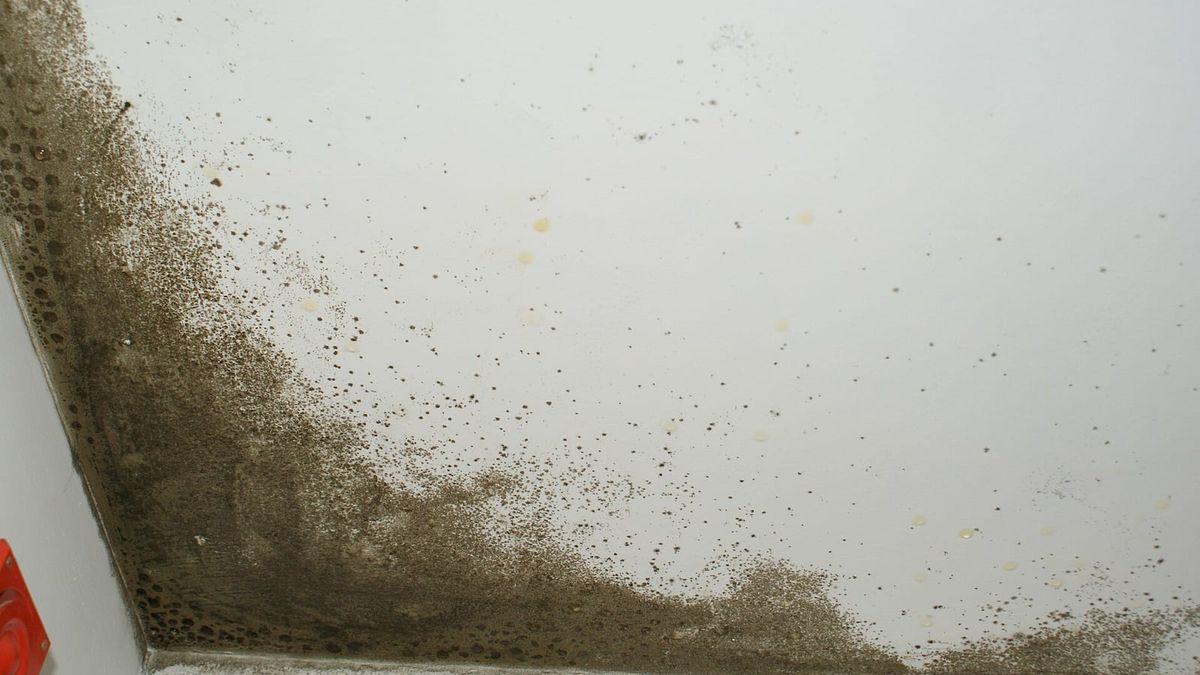
Musty smell is the smell of mold and mildew, and they only grow where something stays damp. Follow your nose to the room where it's strongest, then check the usual places: basement, crawl space, under sinks, around windows, closets on outside walls, and the air conditioner. Fix the water, clean or throw out what's growing, and keep indoor humidity below 60%. Odor absorbers only help after that.
Quick steps
- Walk through the house and find the room or spot where the smell is strongest.
- Check the usual damp places: basement, crawl space, under sinks, windows, closets, and the AC.
- Fix any leak and dry wet materials within 24 to 48 hours.
- Clean mold off hard surfaces; throw out moldy carpet, boxes, and ceiling tiles.
- Keep humidity below 60% with a dehumidifier, then use charcoal for what's left.
Need supplies? Jump to what to buy
What a musty smell means
A musty smell is mold and mildew growing. They need moisture to grow, so somewhere in the house something is staying damp. Sprays and candles can’t fix that. The smell goes when you find the damp, dry it, and clean up the growth.
1. Find where it’s strongest
Close the windows for a few hours so the smell builds up. Then walk through the house slowly. The smell is strongest close to the source. Sniff at floor level, inside sink cabinets, and in closets.
If the whole house smells the same, start at the lowest level. Damp air from a basement or crawl space rises into the rooms above.
2. Check the usual places
- Basement. Damp walls, cardboard boxes on the floor, and old carpet. See our musty basement guide.
- Crawl space. Bare soil and open vents let moisture in. See our crawl space guide.
- Under sinks. A slow drip from a trap or supply line soaks the cabinet floor.
- Around windows. Condensation runs down and rots the sill. See window condensation.
- Closets on outside walls. Cold walls collect damp. See our musty closet guide.
- The air conditioner. A blocked drip pan or drain line grows mold and blows the smell through every vent.
- Behind and under the fridge. Check the drip pan and the water line to the ice maker.
- Bathrooms. Check the caulk, the ceiling above the shower, and under the toilet.
- Laundry. A damp washer or wet clothes left overnight. See washing machine smell and musty towels.
Press on carpets and pads to feel for damp, and look for water stains, peeling paint, and warped wood. If the smell is strong but you can’t see anything, the mold may be inside a wall. Our mold on walls guide explains how to tell. A smell that’s sweet and rotten rather than earthy, and that gets worse over a few days, is more often a dead animal in the wall than mold.
3. Fix the water, then dry everything
Stop the leak or the condensation first. The EPA advises drying wet materials within 24 to 48 hours to keep mold from growing. Use fans, open the windows on a dry day, and run a dehumidifier.
4. Clean or throw out what’s moldy
On hard surfaces, the EPA’s advice is to scrub mold off with detergent and water, then dry the surface completely. Wear gloves and an N-95 mask.
Carpet, padding, ceiling tiles, cardboard, and drywall that have grown mold are hard to clean. The EPA suggests throwing them out. Mold over about 10 square feet, mold after flooding or sewage, or mold in the heating and cooling system is a job for a professional. If you think the ducts or AC are moldy, the EPA says not to run the system until it’s checked.
5. Keep the humidity down
Put a hygrometer in the room where the smell was. The EPA recommends keeping indoor humidity below 60%, ideally 30 to 50%. If it’s higher, run a dehumidifier and fix the moisture sources in our humidity guide.
6. Absorb what’s left
Once nothing is damp, put activated charcoal bags in the rooms that still smell, and wash curtains, bedding, and throws that soaked up the odor. The smell should fade within a week or two. If it comes back, something is still getting wet.
What to buy
We may earn a commission if you buy through these links, at no extra cost to you. How this works
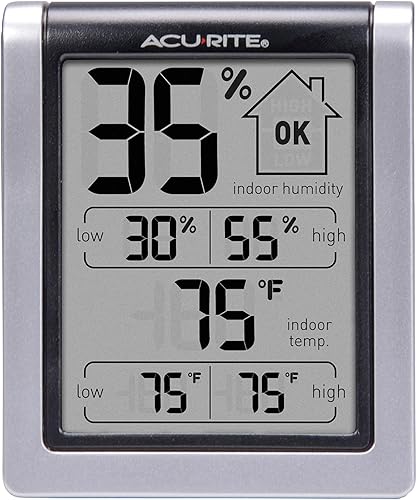
Digital hygrometer
AcuRite Digital Indoor Thermometer and Hygrometer
Measuring indoor humidity so you know whether you have a problem and whether your fix is working. Cheap, and the first thing to buy.
Good to know: Give it 30 minutes to settle after you move it. Readings of a few percent apart between units are normal.
Check price on Amazon
ENERGY STAR dehumidifier
hOmeLabs ENERGY STAR Dehumidifier, 4,500 sq ft
Basements, laundry rooms, and any space that stays above 60% humidity. Pulls water out of the air and collects it in a bucket or drain hose.
Good to know: Pick a capacity that matches the room size and how damp it is. A model with a drain-hose outlet saves you from emptying the bucket. ENERGY STAR models use less electricity.
Check price on Amazon
Activated charcoal odor bags
Moso Natural Air Purifying Bag, 200 g (4 pack)
Soaking up leftover smell in cars, closets, shoes, and small rooms once the source is gone. Unscented, so they don't mask one smell with another.
Good to know: Charcoal absorbs smell; it won't fix an ongoing source like a damp carpet or a spill under a seat.
Check price on AmazonCommon questions
How do I find the source of a musty smell?
Close the windows for a few hours, then walk through each room and sniff at floor level, inside cabinets, and in closets. The smell is strongest closest to the source. Look for water stains, peeling paint, warped wood, and dark spots, and press on carpet to feel for damp.
Does a musty smell always mean mold?
Almost always. The smell comes from gases that mold and mildew give off while they grow. You may not see it, because it can grow under carpet, behind furniture, inside walls, or in a crawl space.
How long does it take a dehumidifier to get rid of a musty smell?
A dehumidifier stops new growth, but it won't remove mold that's already there. Once the source is cleaned and the humidity stays below 60%, the smell usually fades within one to two weeks.
Is a musty smell in the house harmful?
The EPA says mold can cause allergic reactions, asthma attacks, and irritation in some people. The smell is a sign to find and fix the damp. Talk to a doctor if anyone in the house has symptoms.
How do I get rid of an old house smell?
The "old house" smell is usually a damp basement or crawl space plus years of odor in carpets, curtains, and upholstered furniture. Dry the lower level first, then deep-clean or replace the soft materials that hold the smell.