
How to Get Rid of a Musty Smell in the Basement
Short answer
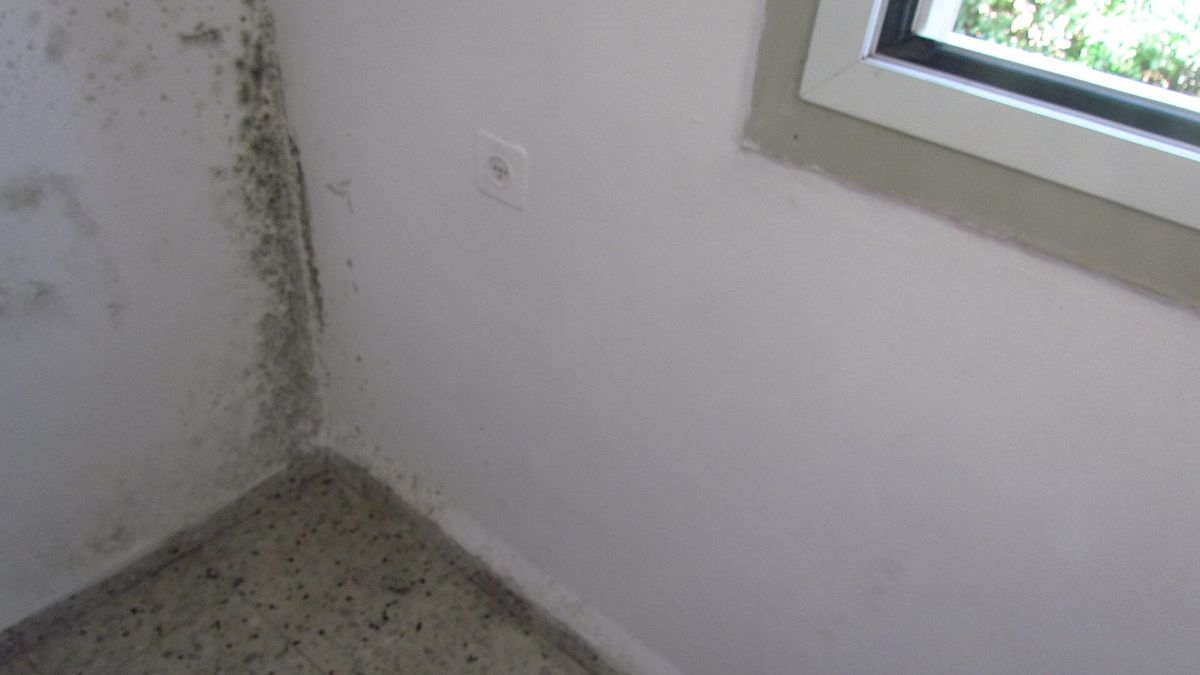
Musty smell comes from mold and mildew growing on damp materials: cardboard boxes, carpet, drywall, wood, and stored fabrics. Find what's damp, clean small areas of mold with detergent and water, throw out porous things that stay moldy, and keep the humidity below 60% with a dehumidifier. Odor absorbers help only after the damp is fixed.
Quick steps
- Check humidity: above 60% means the smell will come back.
- Get stored items off the floor and out of cardboard boxes.
- Clean small areas of mold on hard surfaces with detergent and water, then dry them.
- Throw out damp carpet, ceiling tiles, and boxes that are moldy.
- Run a dehumidifier, then use charcoal bags for what's left.
Need supplies? Jump to what to buy
What the smell means
Musty smell is the smell of mold and mildew growing. They need moisture, so a musty basement is a damp basement. Air fresheners can’t fix it. The smell goes when the growth is cleaned up and the space stays dry.
1. Measure the humidity
Put a hygrometer in the basement for a few days. The EPA recommends keeping humidity below 60%. If yours is higher, the smell will come back no matter how well you clean.
2. Find what’s growing
Mold grows on anything damp that it can feed on. In basements, check:
- Cardboard boxes on the floor or against walls
- Carpet and rugs, especially the underside
- The bottom of drywall and wooden studs or shelves
- Stored clothes, books, and furniture
- Ceiling tiles under pipes or bathrooms
- The sump pit and floor drain
3. Clean or throw out
For hard surfaces like concrete, metal, and sealed wood, the EPA’s advice is to scrub the mold off with detergent and water, then dry the surface completely. Wear gloves and an N-95 mask while you work.
Porous things like ceiling tiles, carpet, and boxes are hard to clean once mold has grown into them. The EPA suggests throwing them away. Move stored items into plastic bins and off the floor.
Mold over about 10 square feet, or mold after a flood or sewage leak, is a job for a professional.
4. Dry it out and keep it dry
Run a dehumidifier set to about 50%, ideally with a hose draining into a floor drain or sump so it can run nonstop. Fix the outside water sources too: clear gutters, extend downspouts, and make sure the ground slopes away from the house. See our basement humidity guide for the full plan.
5. Absorb what’s left
Once the basement stays dry, put a few activated charcoal bags around the space to soak up the last of the smell. It should fade within a week or two. If it comes back, the humidity is creeping up again or something is still damp.
If the rooms upstairs smell musty too, see how to get rid of a musty smell in your house.
What to buy
We may earn a commission if you buy through these links, at no extra cost to you. How this works
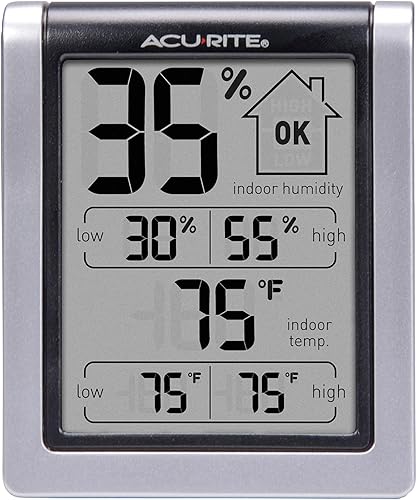
Digital hygrometer
AcuRite Digital Indoor Thermometer and Hygrometer
Measuring indoor humidity so you know whether you have a problem and whether your fix is working. Cheap, and the first thing to buy.
Good to know: Give it 30 minutes to settle after you move it. Readings of a few percent apart between units are normal.
Check price on Amazon
ENERGY STAR dehumidifier
hOmeLabs ENERGY STAR Dehumidifier, 4,500 sq ft
Basements, laundry rooms, and any space that stays above 60% humidity. Pulls water out of the air and collects it in a bucket or drain hose.
Good to know: Pick a capacity that matches the room size and how damp it is. A model with a drain-hose outlet saves you from emptying the bucket. ENERGY STAR models use less electricity.
Check price on Amazon
Activated charcoal odor bags
Moso Natural Air Purifying Bag, 200 g (4 pack)
Soaking up leftover smell in cars, closets, shoes, and small rooms once the source is gone. Unscented, so they don't mask one smell with another.
Good to know: Charcoal absorbs smell; it won't fix an ongoing source like a damp carpet or a spill under a seat.
Check price on AmazonCommon questions
Is a musty basement smell dangerous?
The smell itself means mold or mildew is growing. The EPA notes mold can cause allergic reactions and irritation in some people. Fix the damp and clean up the growth; if anyone has health concerns, talk to a doctor.
Should I use bleach on basement mold?
The EPA's advice for hard surfaces is to scrub with detergent and water and dry them completely. If you do use bleach, never mix it with ammonia or other cleaners, and keep the area ventilated.
When do I need a mold professional?
The EPA suggests calling a professional when mold covers more than about 10 square feet, when there's been sewage or flood water, or when mold is in the heating and cooling system.
My basement is dry but still smells musty. Why?
Check the humidity, not just whether things look wet. Basement air is often above 60% even when nothing is visibly damp, and mold grows on cardboard, carpet backing, and the bottom of drywall. Porous things that were moldy keep smelling even after you wipe them.
Will a dehumidifier get rid of a musty basement smell?
It stops new growth, which is half the job. You still need to clean or throw out what's already moldy. Once both are done, the smell usually fades within a week or two.