
How to Get Rid of Washing Machine Smell
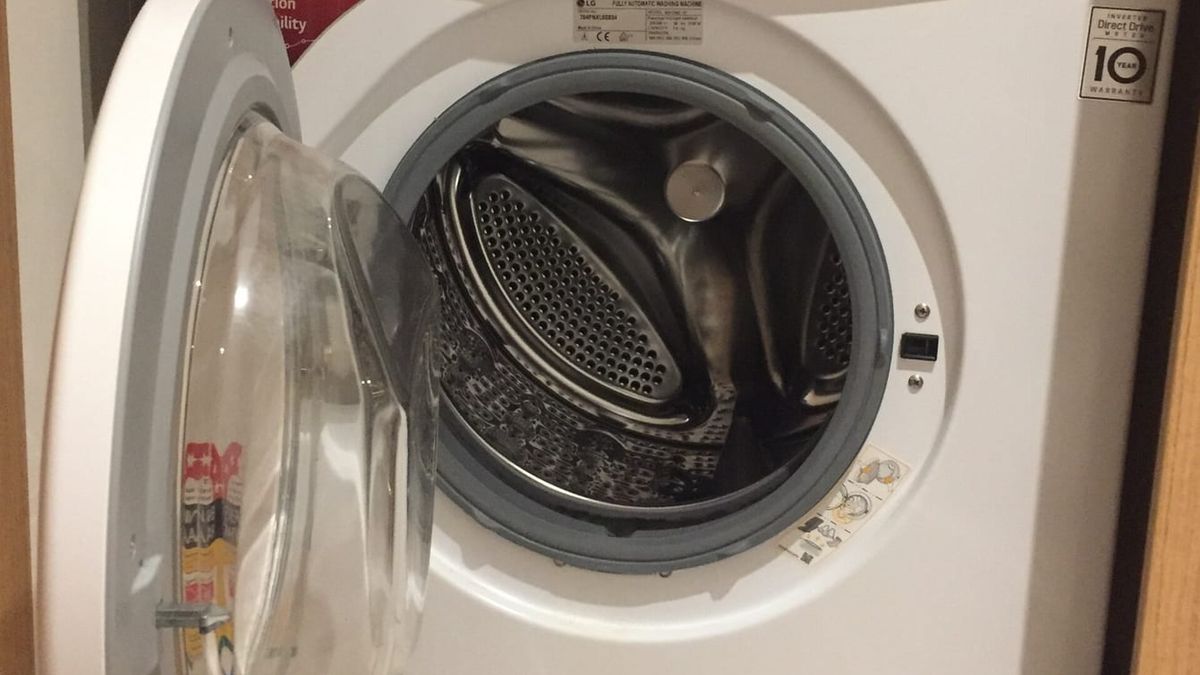
Short answer
Washing machines smell when water, lint, and leftover detergent sit in the door seal, dispenser drawer, drain pump filter, or under the drum, and mildew grows there. Scrub the rubber door seal and dispenser, empty the drain filter, then run an empty hot cleaning cycle with a washer cleaner. After that, wipe the seal dry, leave the door and drawer open between loads, and use the right amount of HE detergent.
Quick steps
- Pull back the rubber door seal and scrub out lint, hair, and black mildew.
- Take out the detergent drawer and wash it and its housing.
- Empty and rinse the drain pump filter, usually behind a small panel at the bottom front.
- Run an empty hot cleaning cycle with a washer cleaner.
- Wipe the seal dry after each wash and leave the door and drawer open.
Need supplies? Jump to what to buy
Where the smell comes from
Front-loading washers seal tightly to save water, so they also hold moisture after a wash. Lint, hair, and detergent residue collect in a few places, mildew grows, and the machine starts to smell like a damp basement. Check these four spots:
- The rubber door seal (gasket), especially the folds at the bottom
- The detergent and softener drawer and the space behind it
- The drain pump filter, which catches coins, hair, and lint
- The drum and outer tub, where a film of detergent and softener builds up
1. Scrub the door seal
Pull back the folds of the rubber seal all the way round. Wipe out hair and lint, then scrub any black spots with warm water and mild detergent, or a washer cleaner. An old toothbrush gets into the folds. Rinse with a damp cloth and dry it.
Whirlpool recommends wiping the gasket and door dry after each load and deep cleaning them roughly every 30 cycles.
2. Clean the detergent drawer
Most drawers pull all the way out with a small release tab. Wash it in the sink with warm water and a brush. Look into the empty slot with a flashlight; mildew often grows on the roof of the housing. Scrub that too.
3. Empty the drain pump filter
Most front-loaders have a small door at the bottom front. Put a shallow tray and towels down, because water will come out. Drain the hose if there is one, then unscrew the filter, clear it, rinse it, and screw it back firmly. Check your manual for the exact location.
4. Run a cleaning cycle
With the drum empty, run the machine’s clean or hottest cycle with a washing machine cleaner. Follow your manual on bleach; some machines can’t take it. Do this monthly to keep the smell from returning.
5. Keep it dry and use less detergent
The smell comes back if the machine stays wet. After each wash:
- Take clothes out straight away.
- Leave the door and the detergent drawer open so air can get in.
- Wipe the door seal dry.
Use HE detergent in a front-loader, and use the amount on the label, not more. Extra detergent and fabric softener leave residue that feeds mildew. For musty laundry, an oxygen bleach booster in the wash helps strip out the smell.
If the smell comes from the drain pipe behind the washer, see sewer smell in the house. A smelly dishwasher has many of the same causes; see how to get rid of dishwasher smell.
What to buy
We may earn a commission if you buy through these links, at no extra cost to you. How this works

Washing machine cleaner tablets
OxiClean Washing Machine Cleaner with Odor Blasters
A monthly clean-machine cycle that clears detergent residue and the musty film that builds up in the drum, door seal, and hoses.
Good to know: Check your washer manual first; some brands name their own cleaner or a bleach cycle. It won't clear a clogged drain pump filter, which you empty by hand.
Check price on Amazon
Oxygen bleach laundry booster
365 by Whole Foods Market Oxygen Whitening Powder, 32 oz
Musty, mildew-smelling towels, gym clothes, and bedding. Safer on most colors than chlorine bleach.
Good to know: Follow the pack and the garment care label. Not for wool, silk, or leather.
Check price on AmazonCommon questions
Can I use bleach to clean my washing machine?
Some machines can take a diluted bleach cleaning cycle and some can't. Whirlpool, for example, says to check your model's instructions first. Never mix bleach with vinegar or other cleaners.
Why do my clean clothes smell musty?
Either the machine is passing its smell on, or the clothes sat wet too long. Clean the machine as above, and move clothes to the dryer or line as soon as the cycle ends. Our guide to musty towels covers stripping the smell out of fabric.
Do top-loaders get smelly too?
Yes, though less often, because they drain and dry more easily. Run an empty hot cleaning cycle, wipe under the rim and around the agitator, and clean the dispensers.
Is it a good idea to put vinegar in a washing machine?
Check your manual. Some manufacturers advise against using vinegar regularly because it can wear rubber seals over time. A washing machine cleaner on a monthly cleaning cycle is the safer choice. Never mix vinegar with bleach.
Why does my washing machine smell when it drains?
A smell while it drains often comes from the drain pipe behind the machine, not the washer. If that pipe's trap is dry or the drain is slow, sewer gas comes up as water rushes down. See our sewer smell guide.