
How to Get Rid of Moisture in a Crawl Space
Short answer
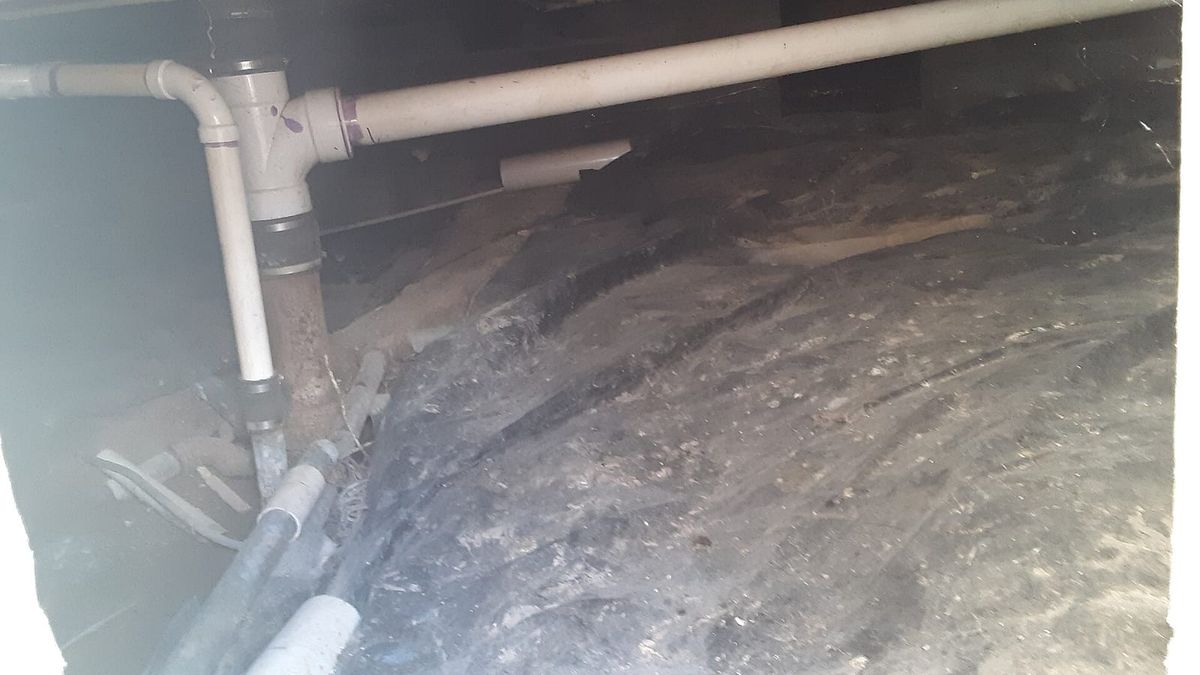
Crawl space moisture comes from rain and groundwater around the foundation, damp soil evaporating, plumbing leaks, and humid outdoor air. Fix gutters and grading so water drains away, repair any leaks, and cover the dirt floor completely with a plastic vapor barrier of at least 6 mil, overlapped and run up the walls. If the crawl space stays above 60% humidity, a sealed crawl space with a dehumidifier is the usual next step, best designed by a professional.
Quick steps
- Check the crawl space after rain for standing water, wet soil, and drips.
- Clean gutters, extend downspouts, and make the ground slope away from the house.
- Fix plumbing leaks and make sure the dryer and bathroom fans vent outdoors, not into the crawl space.
- Cover 100% of the dirt with a vapor barrier, overlapped 12 inches and run 6 inches up the walls.
- Put a hygrometer in the crawl space and aim for below 60% humidity.
- Call a pro for standing water, rotting wood, heavy mold, or to seal and dehumidify the space.
Need supplies? Jump to what to buy
Why it matters
Air from the crawl space rises into the house through gaps around pipes, wires, and the floor. A damp crawl space means musty rooms, higher humidity upstairs, and, over time, mold and rot in the floor joists. The EPA’s key advice for mold anywhere applies here too: control the moisture and keep humidity below 60%.
Where the water comes from
- Rain and groundwater from overflowing gutters, short downspouts, or soil sloping toward the house
- The dirt floor itself, which keeps evaporating moisture into the air
- Plumbing leaks from supply and drain pipes
- Vents dumping moist air from a dryer or bathroom fan into the crawl space
- Humid outdoor air coming in through vents and condensing on cool pipes and ducts
1. Inspect it
Go in after a heavy rain with a good flashlight (or ask a contractor to). Look for standing water, wet soil, water lines on the walls, dripping pipes, sweating ductwork, white or dark growth on the wood, and soft or crumbling joists. Leave a hygrometer down there for a few days to see the real humidity.
2. Keep outside water away
Most crawl space water starts outside:
- Clean the gutters and fix leaking seams.
- Extend downspouts so they discharge several feet from the foundation.
- Grade the soil so it slopes away from the house.
If water still pools inside, it may need a drain or sump pump, which is a job for a professional.
3. Fix leaks and vents
Repair dripping pipes. Make sure the dryer vent and any bathroom or kitchen fans go all the way outside, not just into the crawl space.
4. Cover the dirt with a vapor barrier
A vapor barrier (plastic sheeting over the soil) stops ground moisture from evaporating into the crawl space. The Department of Energy’s guidance says to use material at least 6 mil thick, cover 100% of the ground or as close as possible, overlap seams by at least 12 inches, and run the sheet at least 6 inches up the walls and piers. Thicker 10 to 20 mil sheeting holds up better if anyone crawls over it.
5. Dry it out and decide on vents
After the water sources are fixed and the vapor barrier is down, check the humidity again. If it stays above 60%, a sealed (conditioned) crawl space is the usual next step: vents closed, walls insulated, and a dehumidifier or a small supply of conditioned air from the house. Because it changes how the house handles air and moisture, have it designed and installed by a professional who follows your local building code.
A damp crawl space also attracts mice and other animals. If you smell something dead, see dead animal smell in the house.
When to call a professional
- Standing water that keeps coming back
- Soft, rotting, or sagging floor joists
- Mold covering a large area of wood (the EPA suggests a professional above about 10 square feet)
- Any plan to seal the crawl space or close the vents
What to buy
We may earn a commission if you buy through these links, at no extra cost to you. How this works

Crawl space vapor barrier
10 mil Crawl Space Vapor Barrier, 10 ft x 100 ft
Covering a dirt crawl space floor so ground moisture cannot evaporate into the crawl space and the house above it.
Good to know: The DOE suggests at least 6 mil, seams overlapped by 12 inches, and the sheet run 6 inches up walls and piers. Fix standing water and drainage first.
Check price on Amazon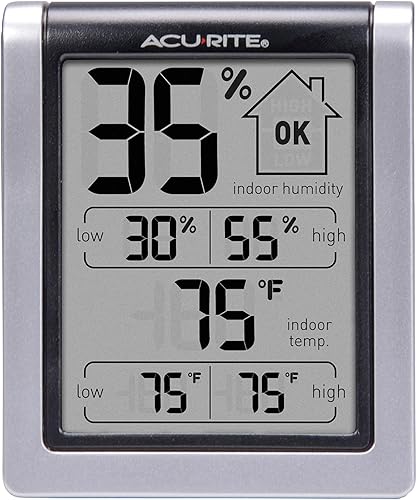
Digital hygrometer
AcuRite Digital Indoor Thermometer and Hygrometer
Measuring indoor humidity so you know whether you have a problem and whether your fix is working. Cheap, and the first thing to buy.
Good to know: Give it 30 minutes to settle after you move it. Readings of a few percent apart between units are normal.
Check price on Amazon
ENERGY STAR dehumidifier
hOmeLabs ENERGY STAR Dehumidifier, 4,500 sq ft
Basements, laundry rooms, and any space that stays above 60% humidity. Pulls water out of the air and collects it in a bucket or drain hose.
Good to know: Pick a capacity that matches the room size and how damp it is. A model with a drain-hose outlet saves you from emptying the bucket. ENERGY STAR models use less electricity.
Check price on AmazonCommon questions
Should crawl space vents be open or closed?
It depends on your climate and how the crawl space is built. In humid weather, open vents can let in moist air that condenses on cool surfaces. Sealing vents should be part of a planned sealed (conditioned) crawl space with a vapor barrier and drying, not done on its own.
How thick should a crawl space vapor barrier be?
The Department of Energy's guidance calls for at least 6 mil polyethylene. Thicker 10 to 20 mil sheeting tears less when people crawl over it, which is why it's common in crawl spaces that get used for storage or access.
Is crawl space moisture making my house smell?
Often, yes. Air moves up from the crawl space into the house through gaps in the floor, so a musty, damp crawl space can make the rooms above smell musty too.
Will a crawl space dry out on its own?
Not while water keeps getting in. Fix the source first, such as gutters, grading, or a plumbing leak. After that, a vapor barrier and, in many homes, a dehumidifier keep it dry.
Can I use moisture absorber tubs in a crawl space?
They're too small to make a difference in a whole crawl space. Cover the soil with a vapor barrier and fix the water sources instead. If it's still damp, a dehumidifier sized for the space is the right tool.