
How to Get Rid of Humidity in Your House
Short answer
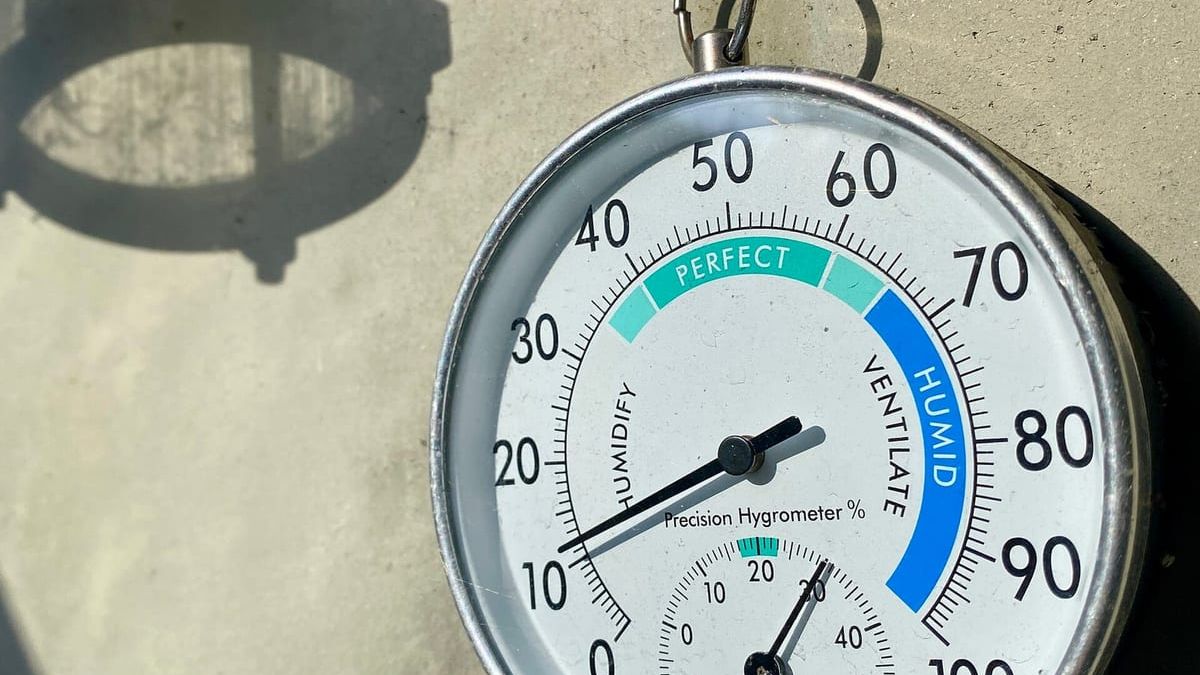
Measure first with a hygrometer; the EPA's target is below 60%, ideally 30% to 50%. Most extra moisture comes from showers, cooking, drying laundry, and a dryer that isn't vented outside. Use exhaust fans, air conditioning in summer, and a dehumidifier in rooms that stay damp. Moisture absorber tubs only help in closets and cupboards.
Quick steps
- Put a hygrometer in the dampest room and check it for a few days.
- Run bathroom fans during and after showers, and the kitchen hood while cooking.
- Dry laundry outside or in a dryer vented outdoors.
- Use air conditioning on humid summer days; it removes moisture as it cools.
- Put a dehumidifier in any room that stays above 60%.
Need supplies? Jump to what to buy
Signs your house is too humid
- Windows fog or drip on the inside
- A musty smell in closets or the basement
- Damp or sticky-feeling air, bedding, or towels that never dry
- Mold spots on bathroom ceilings or around windows
- Peeling paint and warped wood
1. Measure it
Get a digital hygrometer and check a few rooms over a few days. The EPA recommends keeping indoor humidity below 60%, ideally between 30% and 50%. That number tells you if you have a problem and whether your fixes are working.
2. Cut the biggest sources
Everyday life adds a lot of water to the air:
- Showers. Run the bathroom fan during the shower and for a while after. If there’s no fan, open a window.
- Cooking. Use the range hood and cover pots.
- Laundry. Dry clothes outside or in a dryer that vents outdoors. The EPA advises venting dryers to the outside.
- Humidifiers. Turn them down or off if the hygrometer reads high.
- Leaks. Fix dripping pipes and roof leaks, and dry anything wet within 24 to 48 hours.
3. Move the air
- Air conditioning removes moisture as it cools, which is why it helps a lot on muggy days. Clean or replace the filter regularly.
- Open windows on cool, dry days. On hot, humid days, keep them closed, or you’ll bring more moisture in.
- Keep furniture an inch or two off exterior walls so air can move and walls stay drier.
4. Use a dehumidifier where it’s still damp
If a room stays above 60%, put a dehumidifier in it. Basements, laundry rooms, and closed-off bedrooms are the usual spots. Choose an ENERGY STAR model sized for the room, set it to about 50%, and keep the doors closed while it runs.
For closets and cupboards without a power outlet, moisture absorber tubs help keep clothes and shoes dry.
If the house already smells musty, mold is growing somewhere. See how to get rid of a musty smell in your house to find it.
When it’s more than a humidity problem
If humidity stays high after all this, or you find widespread mold, water stains, or a leak you can’t trace, have a professional inspect the house. The EPA suggests professional help for mold over about 10 square feet.
What to buy
We may earn a commission if you buy through these links, at no extra cost to you. How this works
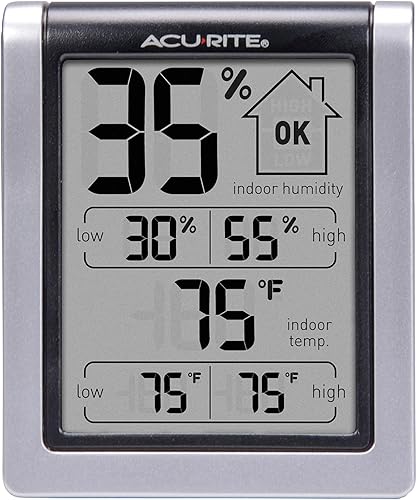
Digital hygrometer
AcuRite Digital Indoor Thermometer and Hygrometer
Measuring indoor humidity so you know whether you have a problem and whether your fix is working. Cheap, and the first thing to buy.
Good to know: Give it 30 minutes to settle after you move it. Readings of a few percent apart between units are normal.
Check price on Amazon
ENERGY STAR dehumidifier
hOmeLabs ENERGY STAR Dehumidifier, 4,500 sq ft
Basements, laundry rooms, and any space that stays above 60% humidity. Pulls water out of the air and collects it in a bucket or drain hose.
Good to know: Pick a capacity that matches the room size and how damp it is. A model with a drain-hose outlet saves you from emptying the bucket. ENERGY STAR models use less electricity.
Check price on Amazon
Moisture absorber tubs
DampRid Fragrance Free Hanging Moisture Absorber (6 pack)
Small, closed spaces with no power outlet: closets, cupboards, under sinks, boats, and RVs.
Good to know: These are too small for a whole room or basement. The collected liquid is salty and irritating, so keep tubs away from kids and pets.
Check price on AmazonCommon questions
What is a good humidity level for a house?
The EPA recommends keeping it below 60%, ideally between 30% and 50%. In very cold weather, lower levels help keep windows from fogging.
How can I lower humidity without a dehumidifier?
Use exhaust fans, run the AC in summer, dry laundry outside, cover pots while cooking, and open windows on cool, dry days. These help a lot. If a room still stays above 60%, a dehumidifier is the reliable fix.
Do moisture absorber tubs work in a room?
Not for a whole room. They're designed for small closed spaces like closets and cupboards. A room needs a dehumidifier.
What causes too much humidity in a house?
Mostly everyday activities without enough ventilation: showers, cooking, drying laundry indoors, and lots of houseplants. Leaks, a damp basement or crawl space, and a clothes dryer that doesn't vent outside add to it.
Is 70% humidity in a room too high?
Yes. The EPA recommends keeping it below 60%, ideally between 30% and 50%. At 70%, condensation and mold become likely.