
How to Get Rid of Mold on Walls
Short answer
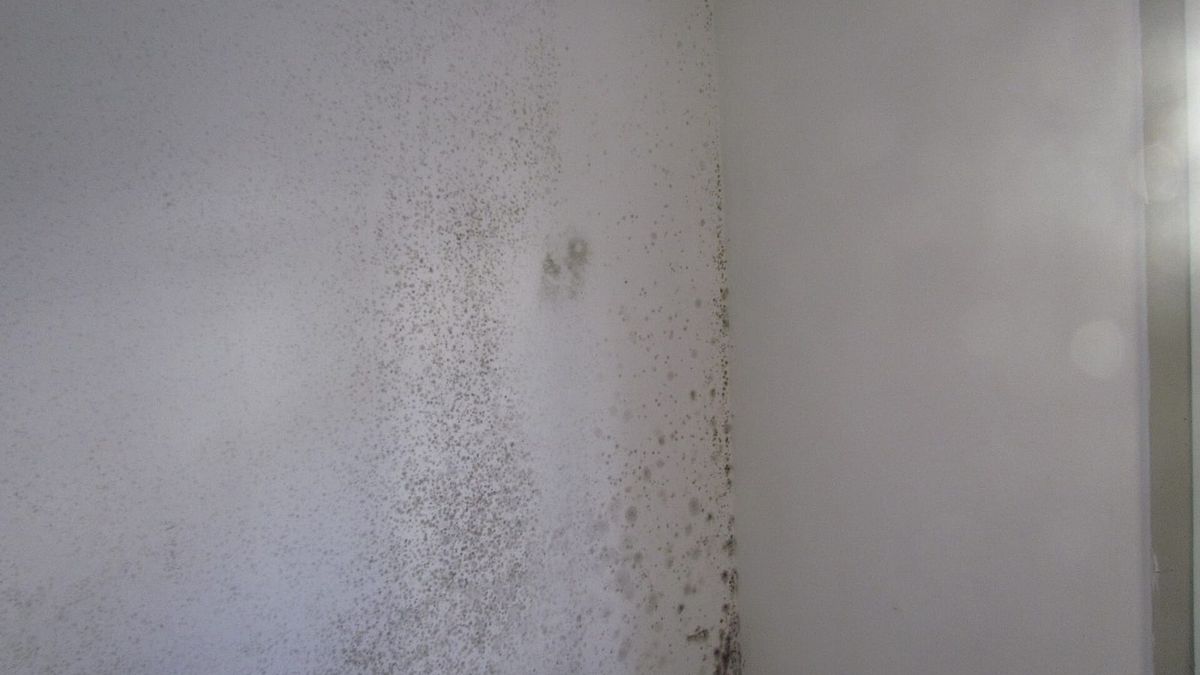
Mold on a wall means that spot stays damp, usually from condensation on a cold outside wall, a leak, or high indoor humidity. For patches smaller than about 10 square feet, the EPA says you can clean it yourself: wear gloves, goggles, and an N-95 mask, scrub hard surfaces with detergent and water, and dry them completely. Then fix the moisture source, or it will come back. Larger areas, or mold after a flood or sewage leak, need a professional.
Quick steps
- Measure the area. Over about 10 square feet, call a professional.
- Put on gloves, goggles, and an N-95 mask, and open a window.
- Scrub mold off painted walls and tile with detergent and water, then dry completely.
- Cut out and replace drywall that is soft, stained through, or keeps growing mold.
- Find and fix the moisture: leaks, condensation, or indoor humidity above 60%.
- Don't paint over mold. Clean and dry first.
Need supplies? Jump to what to buy
Why mold grows on walls
Mold spores are everywhere. They only grow where something stays damp. On walls, that usually means:
- Condensation on cold outside walls, often behind furniture, in corners, or in closets where air doesn’t move
- A leak from a roof, window, or pipe inside the wall
- High indoor humidity, especially in bathrooms, kitchens, and bedrooms with drying laundry
Cleaning the mold without fixing the damp only buys you a few weeks.
Can you clean it yourself?
The EPA says most people can clean up mold covering less than about 10 square feet (roughly 3 feet by 3 feet). Call a professional if:
- The mold covers a larger area
- It followed a flood or sewage backup
- It’s inside the heating and cooling system
- Anyone in the home has asthma, allergies, or a weakened immune system
1. Protect yourself
Wear long rubber gloves, goggles without vent holes, and an N-95 respirator, which the EPA recommends for small mold cleanups. Open a window and keep children and pets out of the room.
2. Clean hard surfaces
For painted walls, tile, and other hard surfaces, the EPA’s advice is to scrub the mold off with detergent and water, then dry the surface completely. Use a sponge or soft brush, change the water often, and wipe with clean water afterwards. Don’t dry-brush mold; that throws spores into the air.
3. Replace what can’t be cleaned
Drywall is paper-faced, and mold that has grown into it is hard to remove. If the drywall is soft, crumbling, stained all the way through, or the mold comes back after cleaning, it needs cutting out and replacing. The EPA notes porous materials that are moldy may need to be thrown away. Bag moldy material before carrying it through the house.
4. Fix the moisture
This is the step that stops it coming back:
- Fix leaks in roofs, windows, and plumbing.
- Keep indoor humidity below 60%, ideally 30 to 50%, as the EPA recommends. Check it with a hygrometer and run a dehumidifier if it’s high.
- Use bathroom and kitchen fans that vent outdoors.
- Move furniture a few inches away from outside walls so warm air reaches them.
- Don’t dry laundry indoors without ventilation.
5. Don’t paint over it
The EPA says paint over mold is likely to peel. Once the wall is clean and fully dry and the moisture problem is fixed, use a stain-blocking primer, then a mold-resistant paint if you like.
If you can smell mold but can’t see it, see how to find the source of a musty smell.
What to buy
We may earn a commission if you buy through these links, at no extra cost to you. How this works

N95 respirator masks
3M Aura 9205+ N95 Particulate Respirator
Protecting your lungs from mold spores and dust while you scrub mold or tear out moldy materials. The EPA suggests an N95 for small mold cleanups.
Good to know: It has to seal against your face to work, and beards break the seal. It doesn't filter gases or chemical fumes.
Check price on Amazon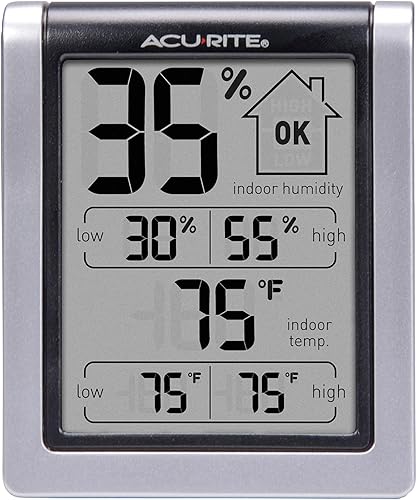
Digital hygrometer
AcuRite Digital Indoor Thermometer and Hygrometer
Measuring indoor humidity so you know whether you have a problem and whether your fix is working. Cheap, and the first thing to buy.
Good to know: Give it 30 minutes to settle after you move it. Readings of a few percent apart between units are normal.
Check price on Amazon
ENERGY STAR dehumidifier
hOmeLabs ENERGY STAR Dehumidifier, 4,500 sq ft
Basements, laundry rooms, and any space that stays above 60% humidity. Pulls water out of the air and collects it in a bucket or drain hose.
Good to know: Pick a capacity that matches the room size and how damp it is. A model with a drain-hose outlet saves you from emptying the bucket. ENERGY STAR models use less electricity.
Check price on AmazonCommon questions
Should I use bleach on mold?
The EPA's advice for hard surfaces is detergent and water, then drying. Bleach isn't required and doesn't fix the moisture that caused the mold. If you do use it, never mix it with ammonia or other cleaners, and ventilate the room.
Can I paint over mold?
No. The EPA says paint applied over mold is likely to peel, and the mold keeps growing underneath. Clean the surface, let it dry fully, and fix the moisture before you prime and paint.
Is black mold more dangerous than other mold?
Color doesn't tell you the species or how harmful it is. The EPA advises treating all indoor mold the same way: clean it up and fix the moisture. People with asthma, allergies, or weak immune systems should avoid cleanup and talk to a doctor.
How do I know if the mold is inside the wall?
A musty smell with no visible mold, peeling or bubbling paint, or a wall that feels soft can all mean mold behind the surface. A professional can check with a moisture meter or by opening the wall.
Can you remove mold without removing drywall?
Often, if it's a small patch on the painted surface. The EPA's advice for hard surfaces is to scrub with detergent and water and dry completely. If the drywall is soft, stained through, or the mold keeps coming back, it has grown into the paper and needs replacing.
Is mold on walls harmful?
The EPA says mold can cause allergic reactions, asthma attacks, and irritation of the eyes, nose, throat, and lungs in some people. Clean it up and fix the moisture, and talk to a doctor if anyone has symptoms.