
How to Get Rid of Condensation on Windows
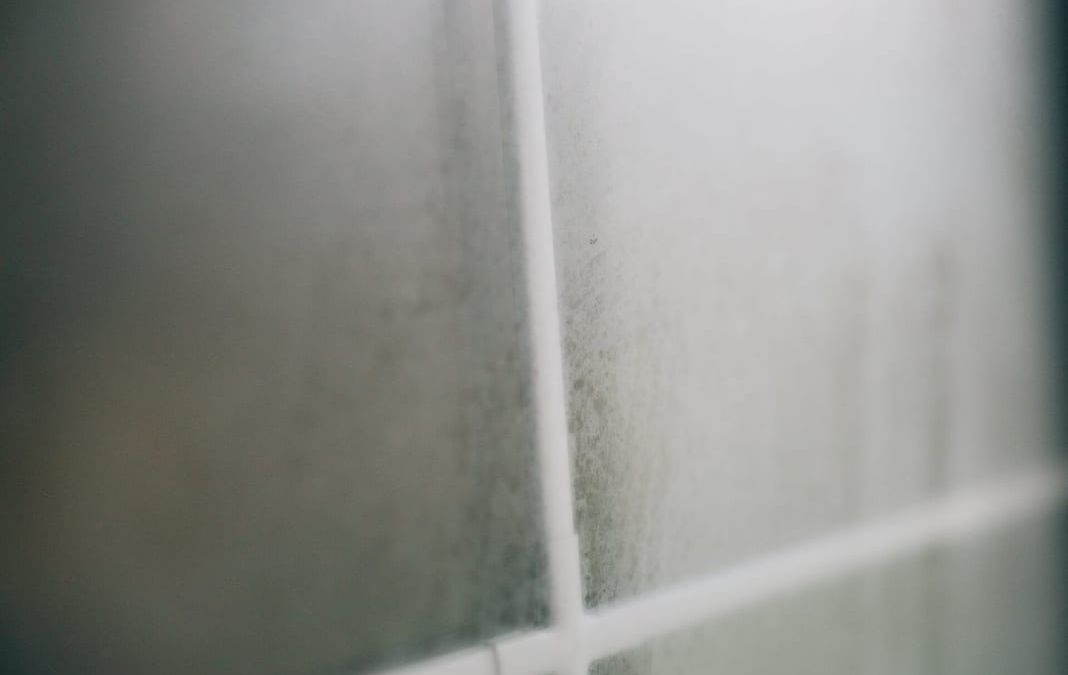
Short answer
Condensation forms when warm, humid indoor air touches cold glass. To stop it, bring indoor humidity down and keep the glass warmer. Use bathroom and kitchen fans, don't dry laundry indoors, and check humidity with a hygrometer. Seal drafts and add window film or interior storm windows in winter. Water between the panes of double glazing is different: the seal has failed, and the glass unit needs replacing.
Quick steps
- Wipe the windows dry each morning so water doesn't soak into sills and frames.
- Run kitchen and bathroom fans while cooking and showering, and for a while after.
- Check indoor humidity with a hygrometer; lower it if it's high.
- Open curtains and blinds during the day so warm air reaches the glass.
- Add window insulation film to the worst single-pane or drafty windows.
Need supplies? Jump to what to buy
Why windows get wet
Warm air holds more moisture than cold air. When warm, humid indoor air touches cold glass, it cools down and the moisture turns to water on the glass. That’s why it’s worst on winter mornings, in bedrooms, and in kitchens and bathrooms.
There are two ways to stop it: less moisture in the air, and warmer glass.
1. Lower the humidity
Put a hygrometer in the room. The EPA recommends keeping indoor humidity below 60%. In cold weather you may need to go lower to keep windows dry.
- Use the fans. Run the bathroom fan during showers and the kitchen hood while cooking, and leave them on for a while after.
- Don’t dry laundry indoors if you can avoid it. A load of wet washing releases a lot of water.
- Turn down humidifiers. A humidifier can easily push a room past the point where windows run with water.
- Check the dryer vents outside, not into the house.
If the whole house stays humid, a dehumidifier in the worst room helps.
2. Keep the glass warmer
- Open curtains and blinds during the day. Heavy curtains closed tight over cold glass trap cold, damp air against it.
- Seal drafts. The U.S. Department of Energy notes that cutting air leaks around windows reduces both drafts and condensation. Use weatherstripping and caulk.
- Add window film. An indoor window insulation film kit traps a layer of still air in front of the glass. It’s a cheap winter fix for single-pane and drafty windows.
- Upgrade in the long run. Double or triple glazing with low-E coatings keeps the inside surface much warmer.
3. Wipe up what forms
Until the fix takes hold, wipe the glass and sills dry each morning with a towel or a window squeegee. Water left sitting on wooden frames and sills leads to peeling paint, rot, and mold.
Car windows fog up for the same reason. See how to stop condensation inside car windows.
Water between the panes
If the moisture is inside a double-pane window, between the two pieces of glass, nothing on this page will fix it. The seal has failed. Get a quote from a window company to replace the sealed unit; you often don’t need a whole new frame.
What to buy
We may earn a commission if you buy through these links, at no extra cost to you. How this works
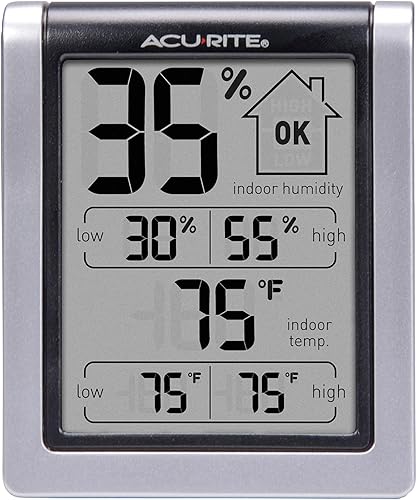
Digital hygrometer
AcuRite Digital Indoor Thermometer and Hygrometer
Measuring indoor humidity so you know whether you have a problem and whether your fix is working. Cheap, and the first thing to buy.
Good to know: Give it 30 minutes to settle after you move it. Readings of a few percent apart between units are normal.
Check price on Amazon
Window insulation film kit
Duck Brand Indoor Window Insulation Kit (10 windows)
Single-pane or drafty windows that drip every winter. The film traps a layer of air so the inside surface stays warmer and wetter air doesn't reach the cold glass.
Good to know: It's a winter fix. Remove it in spring, and still bring the indoor humidity down.
Check price on Amazon
ENERGY STAR dehumidifier
hOmeLabs ENERGY STAR Dehumidifier, 4,500 sq ft
Basements, laundry rooms, and any space that stays above 60% humidity. Pulls water out of the air and collects it in a bucket or drain hose.
Good to know: Pick a capacity that matches the room size and how damp it is. A model with a drain-hose outlet saves you from emptying the bucket. ENERGY STAR models use less electricity.
Check price on AmazonCommon questions
Is condensation on windows bad?
A little on very cold mornings is normal. Heavy condensation every day can damage sills and frames and lead to mold around the window, so it's worth fixing.
Why is there condensation between my double-pane windows?
The seal between the two panes has failed and moist air has got in. You can't wipe it away. The sealed glass unit needs to be replaced, which is a job for a window company.
Why are my bedroom windows wet every morning?
People breathe out moisture overnight, bedrooms are often kept cool, and doors are closed. Open the door a little, open the curtains in the morning, and check the room's humidity.
Should you wipe condensation off windows?
Yes. Wipe it up each morning with a cloth or squeegee so it doesn't run onto the sill and frame, where it can rot wood and grow mold.
Does condensation on windows mean the house is too cold?
It means the glass is colder than the dew point of the indoor air. That comes from cold glass and humid air together. Lowering the humidity is usually the easier fix.
Do anti-condensation sprays work?
They can keep the glass clear for a short time, but the moisture is still in the air and collects somewhere else. Lowering indoor humidity fixes the cause.