
How to Get Rid of Humidity in a Bathroom
Short answer
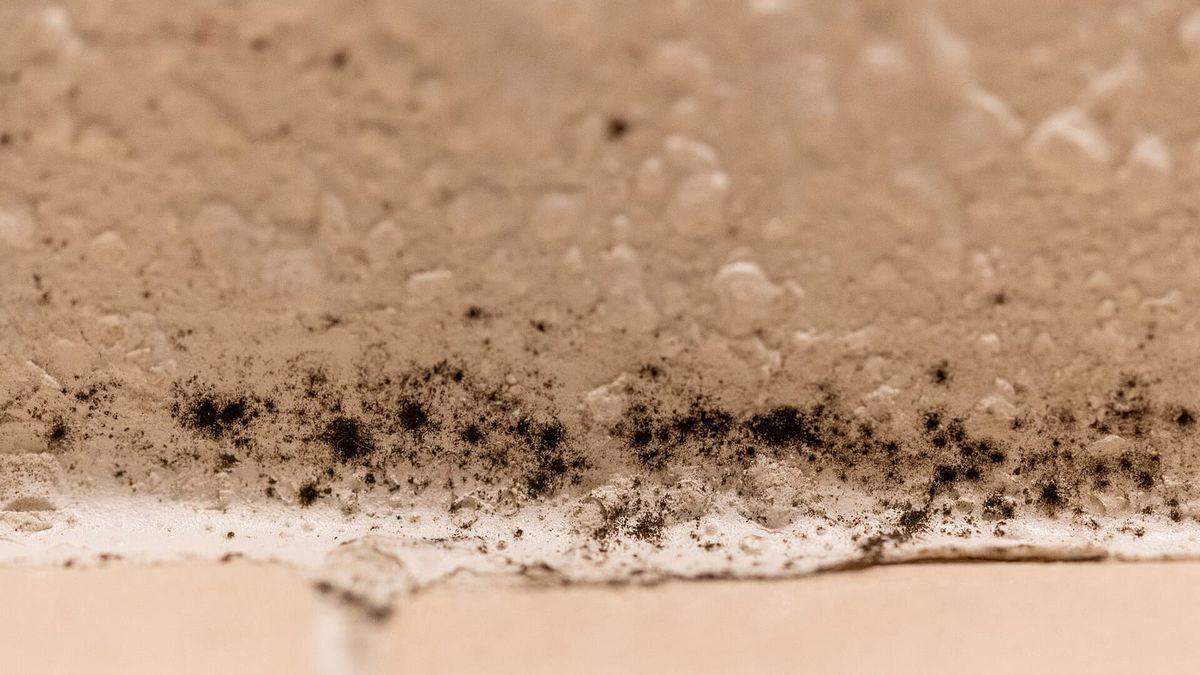
A shower puts a lot of water vapor into a small room. If it isn't removed, it condenses on the ceiling, walls, and mirror and feeds mold. Run an exhaust fan that vents outdoors during every shower and for 20 to 30 minutes afterwards, or fit a humidity-sensing switch so it does that for you. Squeegee the shower walls, hang towels to dry, and leave the door open after use. If the fan can't hold a sheet of tissue, it isn't moving enough air.
Quick steps
- Turn the exhaust fan on before the shower and leave it on for 20 to 30 minutes after.
- Hold a tissue to the fan grille; if it doesn't stick, the fan or its duct needs fixing.
- Make sure the fan vents outdoors, not into the attic.
- Squeegee shower walls and glass, and hang towels spread out to dry.
- Leave the bathroom door and shower curtain open after use.
- Clean mold off grout and caulk, and recaulk where it has grown into the caulk.
Need supplies? Jump to what to buy
Why bathrooms get so damp
A hot shower releases a lot of water vapor into a small room. That moisture condenses on the coldest surfaces: the mirror, window, ceiling, and outside walls. Grout, caulk, and painted ceilings stay damp for hours, and mold grows there.
The fix is to remove the moist air quickly and dry the surfaces that got wet.
1. Use the fan properly
Turn the exhaust fan on when you start the shower and leave it running for 20 to 30 minutes after you finish. Most people switch it off on the way out, which leaves most of the moisture behind.
A humidity-sensing fan switch solves this. It turns the fan on when humidity rises and keeps it running until the room dries, so nobody has to remember.
2. Check that the fan actually works
Hold a single sheet of toilet paper against the fan grille while it’s running. If the fan holds it there, air is moving. If not:
- Clean the grille and fan blades; dust and lint build up fast.
- Check the duct in the attic or ceiling for crushing, kinks, or disconnection.
- Check the outside vent flap opens freely.
Building America guidance says bathroom fans should vent to the outdoors, not into the attic, where the moisture can cause mold on the roof deck. If your fan is old, loud, or undersized, an ENERGY STAR model moves more air quietly and uses less electricity.
3. Dry the surfaces
- Squeegee the shower walls and glass right after showering. It takes 30 seconds and removes most of the water that would otherwise evaporate into the room.
- Hang towels and bath mats spread out, not bunched on a hook.
- Leave the shower curtain and bathroom door open afterwards so the room can air out.
- Fix dripping taps and leaks around the tub and toilet.
4. Clean existing mold
Scrub mold off tile, grout, and painted surfaces with detergent and water, rinse, and dry. Mold that has grown into silicone caulk usually won’t clean out; cut the old caulk away, clean and dry the joint, and recaulk with a mildew-resistant bathroom silicone.
5. Check the humidity
Leave a hygrometer in the bathroom. It should drop back to the level of the rest of the house within about half an hour of a shower. If it stays high, the fan isn’t doing its job. The EPA recommends keeping indoor humidity below 60%.
If the bathroom smells bad rather than damp, check the sink and shower drains. See how to get rid of a smelly drain.
What to buy
We may earn a commission if you buy through these links, at no extra cost to you. How this works

Humidity-sensing fan switch
Leviton Humidity Sensor Switch for Bathroom Fans
Bathrooms where the fan gets switched off too soon. It turns the fan on when humidity rises and keeps it running until the room has dried.
Good to know: It replaces a standard wall switch and may need a neutral wire. If you're not comfortable with wiring, have an electrician fit it.
Check price on Amazon
Shower squeegee
OXO Good Grips Stainless Steel Squeegee
Clearing water off shower walls and glass in 30 seconds, so less of it evaporates into the room or soaks into grout.
Good to know: Works best right after the shower, with the fan running.
Check price on Amazon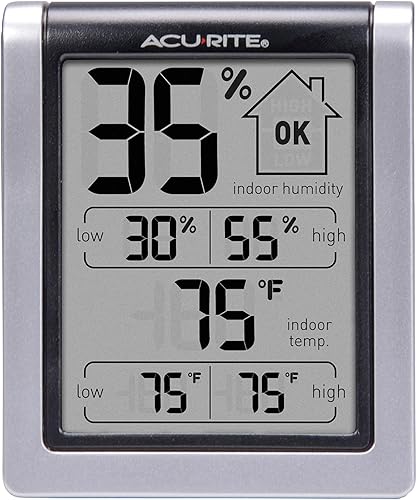
Digital hygrometer
AcuRite Digital Indoor Thermometer and Hygrometer
Measuring indoor humidity so you know whether you have a problem and whether your fix is working. Cheap, and the first thing to buy.
Good to know: Give it 30 minutes to settle after you move it. Readings of a few percent apart between units are normal.
Check price on AmazonCommon questions
How long should I run the bathroom fan after a shower?
About 20 to 30 minutes is common advice, until the mirror has cleared and the room no longer feels damp. A humidity-sensing or timer switch keeps it running for you after you leave.
What size bathroom fan do I need?
A common rule of thumb is at least 1 CFM (cubic foot per minute) for each square foot of floor, with a minimum of 50 CFM. Long or bent duct runs reduce how much air the fan actually moves.
My bathroom has no fan. What can I do?
Open the window during and after showers, keep the door open afterwards, squeegee the walls, and consider a small dehumidifier. Adding a fan that vents outside is the best long-term fix.
Why is there mold on my bathroom ceiling?
Warm, moist air rises and condenses on the ceiling, especially on a cold ceiling under an attic. It's a sign the fan isn't removing enough moisture or isn't run long enough.
What can I put in my bathroom to absorb moisture?
Moisture absorber tubs and charcoal bags can't keep up with the steam from a shower. A fan that vents outside does the real work. A squeegee on the glass and tiles removes a lot of the water that's left.
How do I dry a bathroom quickly after a shower?
Run the fan, squeegee the shower walls and glass, open the door once you're done, and hang wet towels spread out so they dry instead of leaving them in a heap.