
How to Get Rid of a Smelly Sink Drain
Short answer
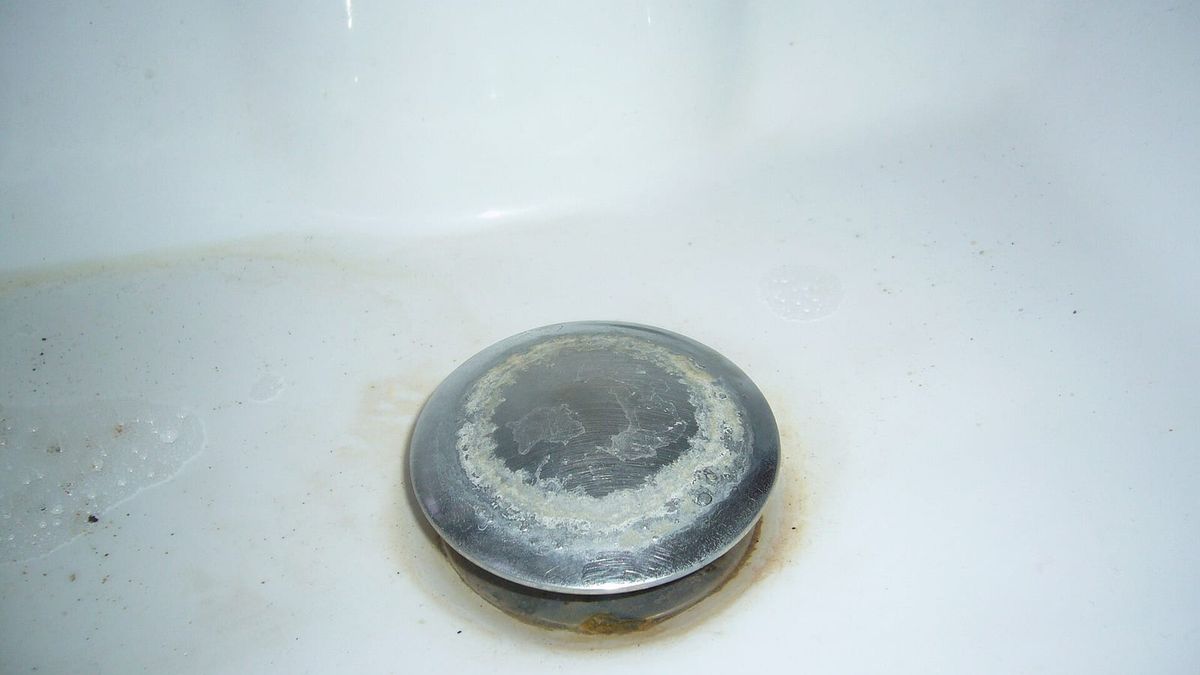
Most smelly drains are caused by slime, hair, and food rotting just below the drain opening, in the stopper, or in the overflow hole. Pull the stopper, clear out the hair, scrub the overflow, and flush with hot soapy water. If a drain is rarely used, run water to refill its trap. If the rotten egg smell only comes with hot water, the water heater is the cause, not the drain.
Quick steps
- Smell the drain, then a glass of tap water away from the sink. If only the water smells, the problem is the water, not the drain.
- Pull out the sink stopper and scrub off the slime on it.
- Clear the hair and gunk from the top of the drain with a drain hair tool.
- Scrub inside the overflow hole with a bottle brush and soapy water.
- Flush with hot soapy water, and run water in any sink you rarely use.
Need supplies? Jump to what to buy
1. Find out what kind of smell it is
The smell tells you where to look:
- Musty, sour, or rotten food. Gunk is rotting in the drain, the stopper, or the overflow. This is the most common cause, and the steps below fix it.
- Sewage. Sewer gas is getting past the trap under the sink. See step 5 and our sewer smell guide.
- Rotten eggs. Fill a glass with water, walk to another room, and smell it. If the water smells, the drain isn’t the cause. See the last section.
If the whole house suddenly smells like rotten eggs, leave and call your gas company from outside. Natural gas has a sulfur smell added so you can notice a leak.
2. Pull the stopper and clean it
A bathroom sink stopper collects a coat of hair, soap, and toothpaste that rots. Most lift straight out or come out with a twist. If yours won’t, look under the sink: a nut on the back of the drain pipe holds a rod that locks the stopper. Loosen the nut, pull the rod back, lift the stopper out, and put it back the same way.
Scrub the stopper with hot soapy water and an old toothbrush. Shower drains often have a screw-on cover that comes off the same way.
3. Pull out the hair
Push a drain hair tool down the drain, twist, and pull it back up. You’ll usually bring up a gray clump of hair and sludge from the first few inches of pipe. That clump is often the whole smell. Repeat until it comes up clean.
4. Clean the overflow hole
The small hole near the top of a bathroom sink leads to a channel that stays damp and grows slime. Push a bottle brush or pipe brush into it with hot soapy water and scrub, then pour a cup of hot water through it.
5. Flush and refill the trap
Run very hot tap water with a squirt of dish soap down the drain for a minute. Avoid boiling water if your pipes are plastic.
The U-shaped pipe under every sink holds water that blocks sewer gas. In a guest bathroom or a sink nobody uses, that water evaporates. Run the tap for 30 seconds every couple of weeks to keep it full.
Kitchen sinks
Pull out the basket strainer and scrub under its rim, where food collects. If you have a garbage disposal, clean it too; our garbage disposal guide covers it. The dishwasher usually drains into the same pipe, so a smelly dishwasher can make the sink smell. See how to clean a smelly dishwasher.
When it’s the water heater
If only the hot water smells like rotten eggs, the cause is hydrogen sulfide made inside the water heater. Penn State Extension notes that this often comes from bacteria reacting with the magnesium rod inside the tank. A plumber can swap the rod for a different type or disinfect the tank. Don’t remove the rod yourself without checking the heater’s manual, as it can affect the warranty.
OSHA warns that hydrogen sulfide in high amounts dulls your sense of smell. In a drain or water heater the amount is tiny, but if the smell is strong, gets worse, or you feel unwell, open windows and call a professional.
What to buy
We may earn a commission if you buy through these links, at no extra cost to you. How this works

Drain hair clog tool
FlexiSnake Drain Weasel, 5 wands
Pulling out the hair and soap gunk that collects just under a bathroom sink or shower drain and starts to rot and smell.
Good to know: Use it before any drain cleaner. Don't use it right after pouring a chemical cleaner down the drain.
Check price on Amazon
Garbage disposal cleaner
Glisten Garbage Disposer Cleaner (16 packets)
A foaming cleaner that scrubs the grinding chamber and the underside of the rubber splash guard, where rotting food film hides.
Good to know: Ice and citrus peels do a similar job for free. It won't clear a clog or a blocked dishwasher drain line.
Check price on AmazonCommon questions
What do plumbers recommend for smelly drains?
Mechanical cleaning first: take out the stopper, pull out the hair and sludge, and clean the overflow. Drain cleaners can't remove a hair clog that is holding slime in place. If the smell is sewage and the drain is clean, have a plumber check the trap and the vent.
Why does my sink smell like sewer?
Either the water in the trap under the sink has dried out or been siphoned away, or the drain's vent is blocked. Run water for a minute to refill the trap. If the smell comes back within hours, read our sewer smell guide or call a plumber.
Do baking soda and vinegar fix a smelly drain?
They can loosen a thin film, but they won't remove a clump of hair or a sludge buildup. Pull out the gunk first, then flush with hot soapy water. Never mix vinegar or any other cleaner with a chemical drain opener or bleach.
Why does the drain smell like rotten eggs only when I run hot water?
That usually comes from the water heater, not the drain. Penn State Extension explains that bacteria in the tank can react with the heater's magnesium rod and make hydrogen sulfide. A plumber can replace the rod or treat the tank.