
What Absorbs Odors? Baking Soda vs Charcoal vs Vinegar
Short answer
Activated charcoal absorbs the widest range of smells, so it's the best general odor absorber for closets, cars, fridges, and small rooms. Baking soda works on sour, acidic smells like spoiled food and sweat, if you spread it out. Vinegar is a good cleaner but absorbs little from the air. Coffee grounds mostly add their own smell, and salt absorbs moisture, not odors. None of them fix a smell whose source is still there.
Quick steps
- Find and remove whatever is making the smell first. Absorbers only handle what's left.
- For most rooms, closets, and cars, use activated charcoal bags.
- For sour food and sweat smells, spread baking soda in a shallow dish, not an open-corner box.
- For a whole room, run an air purifier with a real activated carbon filter.
- Replace absorbers on schedule: baking soda every month or so, charcoal bags as the pack says.
Need supplies? Jump to what to buy
First: absorbers don’t fix the cause
Every odor absorber works on smell that’s already in the air. If something is still making the smell, such as spoiled food, a wet carpet, a dried-out drain, or a dead mouse, the absorber can’t keep up. Find and clean the source first, then use an absorber for what’s left.
Odor absorbers compared
| What | How it works | Best for | Weak spot |
|---|---|---|---|
| Activated charcoal | Traps odor molecules in millions of tiny pores (adsorption) | Closets, cars, shoes, fridges, small rooms | Slow in big open rooms; fills up over time |
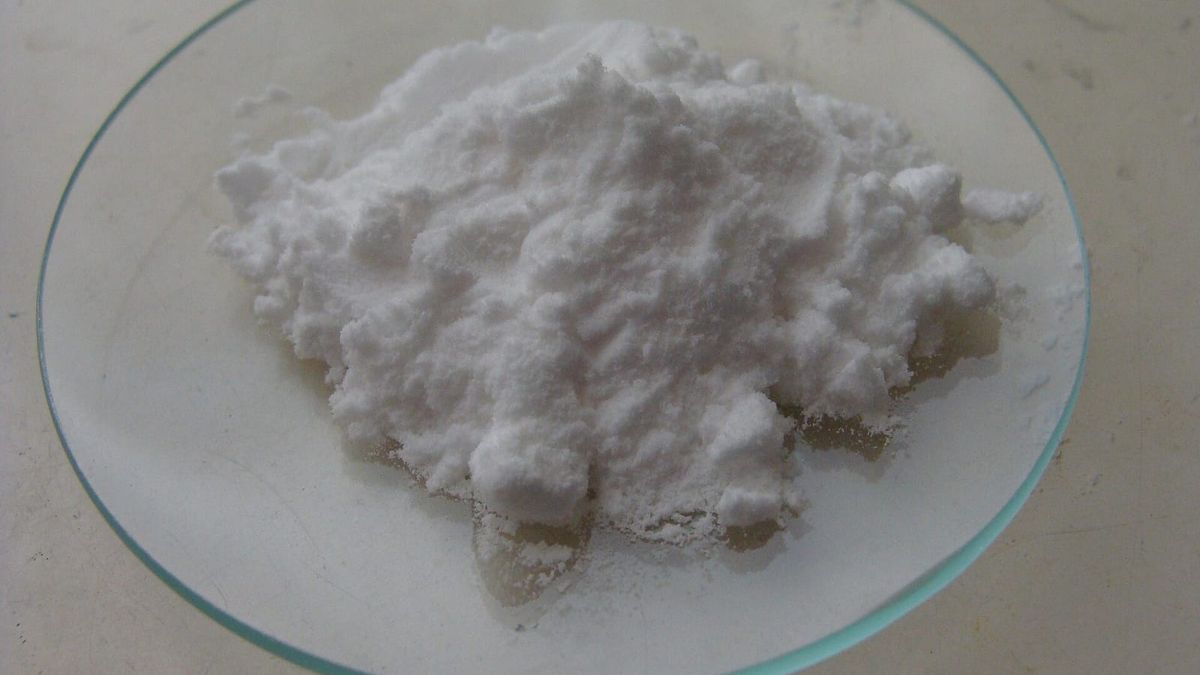
| Baking soda | Neutralizes acidic odor molecules into ones that don’t evaporate | Fridges, bins, sweaty or sour smells | Does little for non-acidic smells; needs surface area |
| Air purifier with carbon filter | Pulls room air through a bed of activated carbon | Whole rooms: cooking, smoke, pets | Thin carbon filters fill up fast |
| White vinegar | Cleans residue off surfaces; little effect on air | Wiping hard surfaces, glass, rinsing laundry | A bowl of it mostly smells of vinegar |
| Coffee grounds | Some adsorption, mostly covers smells with coffee | A fridge that still smells after cleaning | Adds its own smell; can mold if damp |
| Salt | Absorbs moisture, not odor | Nothing for odors | Use a moisture absorber for damp |
| Candles, sprays, plug-ins | Cover the smell with another smell | Short-term, after cleaning | Remove nothing |
Does baking soda absorb odors?
Partly. McGill University’s Office for Science and Society explains that baking soda doesn’t absorb smells so much as neutralize them. Many unpleasant smells, from spoiled butter, sweat, and bacteria, are volatile acids. Baking soda is a mild base, and it turns those acids into salts that don’t evaporate, so you can’t smell them.
That means baking soda works on sour and rotten-food smells, but does little for smells that aren’t acidic. It also needs surface area: a box with one corner torn open does almost nothing. Spread it in a shallow dish or tray, and replace it every month or so.
Does activated charcoal absorb odors?
Yes, better than anything else you can buy for a closet or car. Activated charcoal (also called activated carbon) is charcoal processed to be full of tiny pores. A few grams have a huge internal surface area, and odor molecules stick to it. It isn’t fussy about which molecules, so it works on far more kinds of smell than baking soda.
The EPA’s guide to air cleaners recommends an activated carbon filter for removing gases, and says it works only when the filter holds a large amount of carbon: the thicker the better. The same applies to bags: a 200-gram bag in a closet works; a tiny sachet in a living room doesn’t.
Does vinegar absorb odors?
Not really from the air. A bowl of vinegar on the counter will mostly make the room smell like vinegar until it fades. Where vinegar helps is as a cleaner: wiping smoke film off windows, rinsing a fridge, or soaking smelly laundry. On urine in carpet, use an enzyme cleaner instead.
Do coffee grounds absorb odors?
A little. Dry, fresh grounds have some absorbing capacity, and the USDA mentions them for a fridge that still smells after a thorough clean. A lot of the effect is the coffee smell covering the other one. Keep them dry, or they go moldy.
Does salt absorb odors?
No. Salt pulls moisture from the air, which is why it clumps. In a damp cupboard, drier air can make a musty smell a bit weaker, but a moisture absorber or dehumidifier is the right tool. See how to get rid of a musty smell in your house.
What about ozone, ionizers, and odor bombs?
These don’t absorb anything; they try to break odor chemicals down in the air. The EPA says ozone at levels safe to breathe doesn’t remove most odor-causing chemicals, and higher levels damage your lungs. Read are ozone generators safe? before you buy one.
Which absorber to use where
- Fridge: baking soda in a shallow dish or a fridge odor absorber. Here’s how to get rid of a smell in your fridge.
- Closet, shoes, gym bag, car: activated charcoal bags.
- A whole room or apartment: an air purifier with a substantial carbon filter, plus fresh air.
- Damp, musty spaces: fix the moisture. Absorbers won’t keep up with a source that’s still growing.
What to buy
We may earn a commission if you buy through these links, at no extra cost to you. How this works

Activated charcoal odor bags
Moso Natural Air Purifying Bag, 200 g (4 pack)
Soaking up leftover smell in cars, closets, shoes, and small rooms once the source is gone. Unscented, so they don't mask one smell with another.
Good to know: Charcoal absorbs smell; it won't fix an ongoing source like a damp carpet or a spill under a seat.
Check price on Amazon
Fridge and freezer odor absorber
Arm & Hammer Fridge Fresh Refrigerator Filter (2 pack)
Keeping a clean fridge smelling neutral. Baking soda and charcoal versions both work as a passive absorber.
Good to know: Replace it on the schedule on the pack. It won't remove smell from spoiled food or a dirty drip pan.
Check price on Amazon
HEPA air purifier with carbon filter
Levoit Core 300 True HEPA Air Purifier
Smoke, pet, and cooking smells that hang in the air of one room, plus the dander and fine particles that come with them. The carbon layer handles odor; the HEPA layer handles particles.
Good to know: It cleans the air, not the walls, carpet, or furniture where smell is stored, so clean those first. Size it to the room and replace the filter on schedule. Avoid models that make ozone.
Check price on AmazonCommon questions
What is the best natural odor absorber?
Activated charcoal. It traps a wide range of odor chemicals in its pores and has no smell of its own. Baking soda is second, but it mainly works on acidic smells.
Does baking soda absorb odors in a room?
A little, in a small closed space. It needs a large surface area to work, so spread it in a shallow dish. In an open room with air moving through, one dish won't make a noticeable difference.
How long does baking soda last as an odor absorber?
Roughly a month in a fridge or closet, less if the smell is strong. When it's crusty or clumped on top, replace it. Used baking soda is fine for scrubbing the sink or drain.
Does activated charcoal really work?
Yes, in enclosed spaces. Activated carbon is the same material used in gas-phase air filters, and the EPA lists it as a way to reduce odors and gases indoors. A bag works best in a closet, car, or cabinet, not a large open room.
Does vinegar absorb odors?
Not much from the air. A bowl of vinegar mostly makes the room smell of vinegar for a while. Vinegar works better as a cleaner, wiping away the residue that holds smells on hard surfaces.
Does salt absorb odors?
Salt absorbs moisture, not smells. In a damp space, drier air can make a musty smell weaker, but a moisture absorber or dehumidifier does that job far better.
Do coffee grounds absorb odors?
Dry, fresh coffee grounds take the edge off some smells, and the USDA lists them for a fridge that still smells after cleaning. Much of the effect is the coffee smell covering the other one.
Is charcoal or baking soda better for odors?
Charcoal for most uses, because it traps more kinds of odor. Baking soda is cheaper and fine for a fridge or a sour-smelling bin.