
Ozone Generators and Odor Bombs: Do They Work? Are They Safe?
Short answer
Ozone at levels safe to breathe does not remove most odor chemicals, according to the EPA, and higher levels damage the lungs. Professionals use high-ozone or chlorine dioxide treatments only in empty, cleaned spaces, followed by a long airing out. Odor bombs and foggers can help reach fabric and vents after cleaning, but none of these replace removing the source. For everyday odors, clean, ventilate, and use an activated carbon filter.
Quick steps
- Clean the source of the smell first. No machine removes residue from dirty surfaces.
- Never run an ozone generator in a room with people, pets, or plants in it.
- If you use ozone or chlorine dioxide, follow the label's time exactly, then air the space out for hours.
- Remove or cover rubber, artwork, and delicate fabrics before an ozone treatment.
- For everyday odors, use ventilation and an air purifier with an activated carbon filter instead.
Need supplies? Jump to what to buy
What these products are
“Odor removal machine” and “odor bomb” cover very different things:
| Product | What it does | Safe with people in the room? | Does it remove the source? |
|---|---|---|---|
| Ozone generator | Makes ozone gas, which reacts with some odor chemicals | No | No |
| Chlorine dioxide (pouches, tablets, foggers) | Releases a gas that reacts with odor chemicals | No | No |
| Aerosol odor bomb or fogger | Sprays a mist of odor neutralizer and fragrance into the air and onto surfaces | No, until it settles and you ventilate | No |
| Hydroxyl generator | Makes short-lived reactive molecules using UV light | Sold as safe with occupants; the EPA says UV-based cleaners aren’t proven to remove gases | No |
| Air purifier with carbon filter | Pulls air through activated carbon, which traps odor molecules | Yes | No, but it keeps catching what’s released |
None of them remove the thing making the smell. Smoke residue on the walls, urine in the carpet, or mold in a damp corner keeps releasing smell after the treatment ends.
Do ozone generators work?
Not the way they’re sold. The EPA’s review of ozone generators found that ozone at concentrations that don’t exceed public health standards has little effect on most odor-causing chemicals. Some products produced ozone above health limits even when used as directed.
At much higher levels, in an empty building, ozone can break down some smells. That’s how fire restoration companies use it: after cleaning, with no people, pets, or plants inside, followed by hours of ventilation. Even then, the EPA notes that little is known about the chemical by-products these treatments leave behind.
Ozone also dulls your sense of smell. The California Air Resources Board warns that it can disguise odors rather than eliminate them, so a room can seem fresh while the source is still there.
Are ozone generators safe?
Not in rooms people use. According to the EPA and the California Air Resources Board:
- Ozone irritates and damages the lungs, causing coughing, chest tightness, and shortness of breath.
- It can worsen asthma and lower resistance to respiratory infections.
- It reacts with other chemicals in the air to make irritating by-products, including aldehydes and formic acid.
- It damages materials: rubber, electrical wire coatings, fabrics, and artwork with sensitive dyes.
- It harms houseplants.
California limits how much ozone an indoor air cleaner can emit, and CARB advises against using ozone generators in any space occupied by people or animals.
What about chlorine dioxide and odor bombs?
Chlorine dioxide is used by restoration companies and in DIY pouches and tablets for cars and rooms. It reacts with many odor chemicals, but it’s also a toxic gas. The CDC’s toxic substances agency says breathing it irritates the nose, throat, and lungs. Use it only in an empty space, exactly as the label says, and ventilate before anyone goes back in.
Aerosol odor bombs and foggers release a can of neutralizer in one go. They help after you’ve cleaned a car or room, because the mist reaches vents and fabric you can’t easily scrub. Most are flammable, so turn off pilot lights and anything that sparks, stay out while it works, and air the space out afterward.
If you still want to use one
For a smoke-damaged house or car after a thorough clean, an ozone or chlorine dioxide treatment can help. Hire a restoration company, or if you rent a machine:
- Clean first. Wash walls, extract carpets, replace filters. The treatment is a finishing step.
- Get everyone out: people, pets, and plants.
- Protect materials. Remove artwork, rubber items, and anything with sensitive dyes, or treat for the shortest time the instructions allow.
- Follow the run time on the machine or label. More is not better.
- Air it out with windows open and fans running for several hours before anyone goes back in.
The safer way to get rid of odors
The EPA’s advice for indoor air is the same for odors: remove the source, ventilate, and use an air cleaner that’s proven to work.
- Clean the source. See the guides for smoke in a house, smoke in a car, and musty smells.
- Ventilate. Open windows and run fans blowing out.
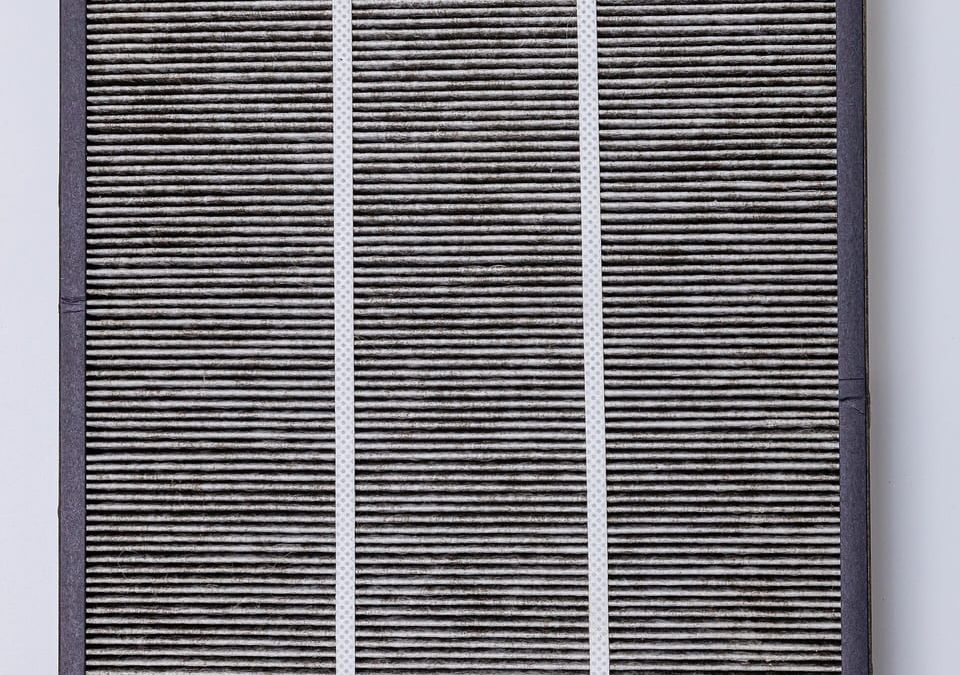
- Filter. An air purifier with an activated carbon filter traps odor molecules without making anything harmful. The EPA says carbon filters work when they hold a large amount of carbon, and that research hasn’t shown UV, plasma, or photocatalytic air cleaners remove gases effectively.
- Absorb what’s left with activated charcoal bags in closets and cars. See what absorbs odors.
What to buy
We may earn a commission if you buy through these links, at no extra cost to you. How this works

HEPA air purifier with carbon filter
Levoit Core 300 True HEPA Air Purifier
Smoke, pet, and cooking smells that hang in the air of one room, plus the dander and fine particles that come with them. The carbon layer handles odor; the HEPA layer handles particles.
Good to know: It cleans the air, not the walls, carpet, or furniture where smell is stored, so clean those first. Size it to the room and replace the filter on schedule. Avoid models that make ozone.
Check price on Amazon
Activated charcoal odor bags
Moso Natural Air Purifying Bag, 200 g (4 pack)
Soaking up leftover smell in cars, closets, shoes, and small rooms once the source is gone. Unscented, so they don't mask one smell with another.
Good to know: Charcoal absorbs smell; it won't fix an ongoing source like a damp carpet or a spill under a seat.
Check price on AmazonCommon questions
Do ozone generators remove odors?
Not at levels safe to breathe. The EPA says ozone within public health limits has little effect on most odor chemicals. At high concentrations in an empty space, ozone can break down some smells, which is why restoration companies use it after fires, but it leaves by-products and needs a long airing out.
Is it safe to be in a room with an ozone generator?
No. The EPA says ozone damages the lungs and can worsen asthma, and that some ozone generators exceed health limits even when used as directed. The California Air Resources Board advises against using them in any space occupied by people or animals.
How long after an ozone treatment is it safe to go in?
Follow the machine's or contractor's instructions, which is usually several hours with windows open and fans running. If you can still smell a sharp, chlorine-like smell, keep airing it out. Ozone also dulls your sense of smell, so don't trust your nose alone right after.
Do car odor bombs work?
They help after you've cleaned the car, because the mist reaches vents and fabric you can't scrub. They don't remove residue from dirty surfaces, so the smell comes back if the source is still there. Stay out of the car while it works, and ventilate afterward.
Is chlorine dioxide safe for odor removal?
Only when used exactly as directed in an empty space. The CDC's toxic substances agency says breathing chlorine dioxide gas irritates the nose, throat, and lungs. Keep people and pets out during treatment and air the space out before returning.
Does ozone kill mold?
Not at levels safe to breathe, and dead mold still causes smells and allergies. Fix the moisture and clean or remove the moldy material instead.
Are ozone air purifiers banned in California?
California limits how much ozone an indoor air cleaner sold there may emit, and devices sold in the state must be certified as meeting that limit. Ozone generators marketed as air purifiers don't meet it.