
How to Get Rid of Mothball Smell in Clothes, Closets, and Rooms
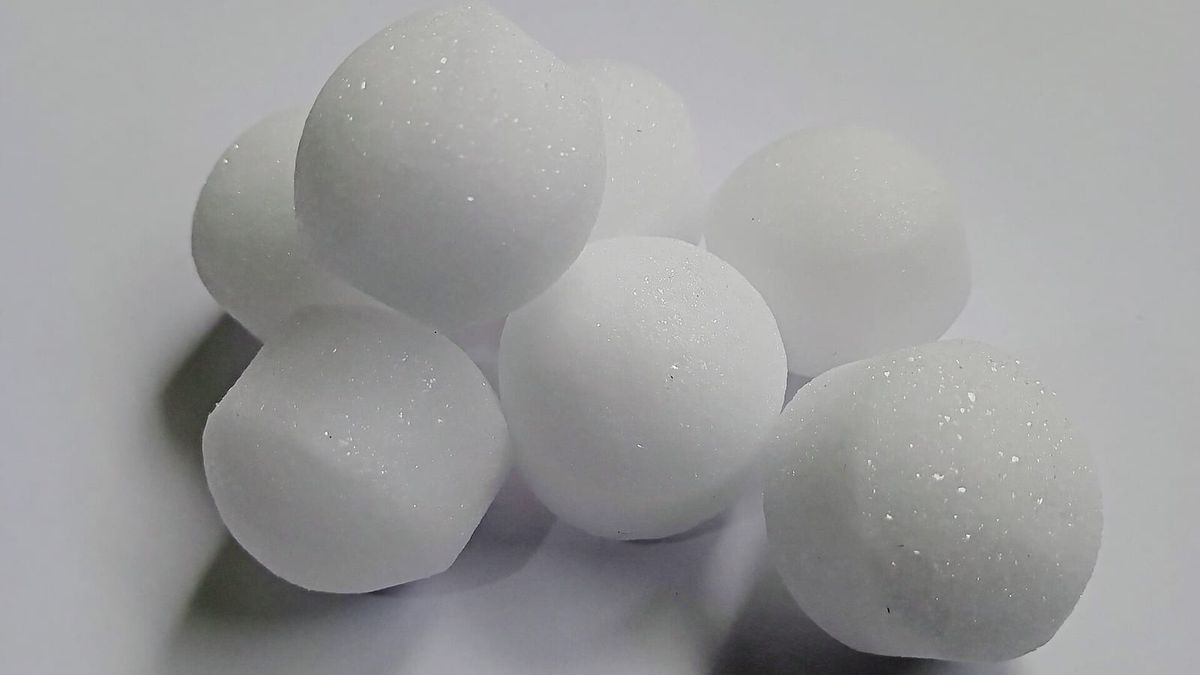
Short answer
Mothball smell is the vapor of a pesticide, naphthalene or paradichlorobenzene, so the fix is to remove the source, not cover it. Bag every mothball, open windows and run fans blowing out, and wipe the drawers and shelves they sat on. Hang clothes outside in the sun for a day or two, then wash them. Charcoal soaks up the traces that linger.
Quick steps
- Find every mothball, including in the attic, crawl space, and garden, and seal them in a plastic bag for hazardous waste disposal.
- Open windows and run a box fan blowing out of the room for several days.
- Empty the closet or drawers and wipe every surface with warm water and dish soap.
- Hang clothes outside in the sun for a day or two, then wash them, or take dry-clean-only items to the cleaner.
- Leave activated charcoal bags in closets and drawers for a week to soak up what's left.
Need supplies? Jump to what to buy
Why mothballs smell so strong
Mothballs are a pesticide. In the US they’re made almost entirely of one of two chemicals, naphthalene or paradichlorobenzene. Both are solids that slowly turn into vapor at room temperature, and the vapor is what kills moths. The National Pesticide Information Center (NPIC) says that when you smell mothballs, you are breathing in the insecticide.
Your nose picks it up at tiny amounts, a few parts per billion according to Oregon State University Extension. That’s why one forgotten box in a closet can make a whole room smell.
The vapor also sinks into fabric, wood, and drywall, so the smell keeps coming back after the mothballs are gone. Paradichlorobenzene breaks down slowly in indoor air: NPIC gives a half-life of about 31 days. Fresh air and sunlight speed things up.
Is the smell harmful?
At high enough levels, yes. NPIC lists nausea, vomiting, dizziness, tiredness, and headaches from paradichlorobenzene, plus irritated eyes and nose. ATSDR, the CDC’s toxic substances agency, says naphthalene exposure has been linked to damage to red blood cells, and that health effects can happen at levels you can’t smell.
- If anyone feels sick from the fumes, get them into fresh air.
- If a child or pet ate a mothball, call Poison Control at 1-800-222-1222, or your vet. NPIC warns that a single mothball can seriously harm a small child.
Mothballs are meant to go in a tightly closed container, not an open closet, attic, or garden. Most strong mothball smells in a house come from them being used out in the open.
1. Find and remove every mothball
Check closets, drawers, storage boxes, garment bags, under sinks, the attic, the crawl space, and around the foundation outside. Previous owners often scattered them to keep squirrels, mice, or snakes away, which the label doesn’t allow and which rarely works.
Also check for deodorizer blocks and toilet or urinal cakes. Some contain paradichlorobenzene and smell just like mothballs.
Wear gloves. Seal everything in a plastic bag, then a second bag, and follow the label or take them to your local household hazardous waste drop-off. Don’t toss loose mothballs in the trash where kids or animals can reach them.
2. Air out the room
Open windows on opposite sides of the house and set a box fan in one window blowing out. Run it for several days, longer in a room where mothballs sat in the open for a long time. An air purifier with a carbon filter helps in a room you can’t air out well. The HEPA part alone won’t catch vapor; the carbon layer does.
3. Clean the closet, drawers, and shelves
Empty the space completely.
- Vacuum the floor, corners, and shelves, then wipe every hard surface with warm water and a few drops of dish soap.
- Leave the doors and drawers open to dry and air for a few days.
- Put activated charcoal bags inside for a week or two. Charcoal soaks up vapor; baking soda helps less. See what absorbs odors for a comparison.
- Unfinished wood drawers and cedar chests hold the smell longest. Give them sun and air outside if you can, then charcoal.
If the closet also smells damp, deal with that too; see how to get rid of a musty closet smell.
4. Get mothball smell out of clothes
Sun and air first. Hang clothes, blankets, and stuffed toys outside on a dry, breezy day, inside out, for a day or two. ATSDR notes that sunlight and moisture break naphthalene down quickly outdoors.
Then wash. Wash machine-washable items in the warmest water the label allows with your normal detergent. A scoop of oxygen bleach helps on whites and colorfast fabrics. Line-dry outside if you can, and smell them before putting them away. A second wash is normal for things stored for years.
Dry-clean-only items, such as wool coats and suits: air them outside first, then take them to the dry cleaner and tell them about the mothball smell.
For other laundry smells, see how to get odor out of clothes.
5. If mothballs were in the attic or crawl space
Oregon State University Extension says mothballs in an attic almost always cause a persistent, nasty smell through the whole house, because the vapor gets into insulation and drifts down into the rooms.
- Remove every one, including any that rolled into the insulation.
- Ventilate the attic: open vents or a window and run a fan blowing out.
- If the smell stays strong after a few weeks, the insulation may have soaked it up. Removing and replacing the worst sections may be the only fix.
- Keep animals out with sealed openings and wire mesh instead of chemicals.
How to keep moths away without mothballs
Clothes moth larvae eat wool, fur, feathers, and silk, especially when it’s dirty or sweaty. Oregon State University Extension recommends:
- Clean clothes before storing them. Moths go for sweat and food stains.
- Store wool in airtight containers or zipped garment bags.
- Air or tumble dry stored clothes once or twice a month if they aren’t sealed, to kill larvae.
- Skip cedar as your only protection. OSU says cedar smells nice but does nothing to repel clothes moths.
If you still use mothballs, put them only in a sealed container with the clothes, as the label says, and air and wash the clothes before you wear them.
What to buy
We may earn a commission if you buy through these links, at no extra cost to you. How this works

Activated charcoal odor bags
Moso Natural Air Purifying Bag, 200 g (4 pack)
Soaking up leftover smell in cars, closets, shoes, and small rooms once the source is gone. Unscented, so they don't mask one smell with another.
Good to know: Charcoal absorbs smell; it won't fix an ongoing source like a damp carpet or a spill under a seat.
Check price on Amazon
HEPA air purifier with carbon filter
Levoit Core 300 True HEPA Air Purifier
Smoke, pet, and cooking smells that hang in the air of one room, plus the dander and fine particles that come with them. The carbon layer handles odor; the HEPA layer handles particles.
Good to know: It cleans the air, not the walls, carpet, or furniture where smell is stored, so clean those first. Size it to the room and replace the filter on schedule. Avoid models that make ozone.
Check price on Amazon
Oxygen bleach laundry booster
365 by Whole Foods Market Oxygen Whitening Powder, 32 oz
Musty, mildew-smelling towels, gym clothes, and bedding. Safer on most colors than chlorine bleach.
Good to know: Follow the pack and the garment care label. Not for wool, silk, or leather.
Check price on AmazonCommon questions
Is mothball smell harmful?
It can be. The National Pesticide Information Center says that when you smell mothballs, you are breathing in the pesticide. Paradichlorobenzene vapor can cause headaches, dizziness, and nausea, and naphthalene has been linked to damage to red blood cells. Remove the source and air the room out.
How long does mothball smell last?
With the mothballs gone and the room aired out, most of the smell clears in a few days to a couple of weeks. Clothes that sat with mothballs for years can need several rounds of airing and washing. Oregon State University Extension warns the odor can persist a long time once the vapor gets into a home.
How do you get mothball smell out of clothes without washing?
Hang them outside in sun and moving air for a day or two, turning them inside out. Sunlight speeds up the breakdown of naphthalene. For dry-clean-only items, air them first, then have them dry cleaned.
Does vinegar get rid of mothball smell?
Vinegar can help a wash rinse feel fresher, but it doesn't remove the chemical. Airing out and a normal detergent wash do the real work, and charcoal handles traces in a closet.
Why does my house smell like mothballs when I don't use them?
A previous owner may have left them in the attic, crawl space, or around the foundation to keep animals away, which is an off-label use. Some deodorizer blocks and toilet cakes also contain paradichlorobenzene. Check those places and products first.
Do cedar blocks keep moths away?
Not reliably. Oregon State University Extension says cedar smells nice but does nothing to repel clothes moths. Clean clothes stored in airtight containers work better.
What should I do if a child or pet eats a mothball?
Call Poison Control at 1-800-222-1222 right away for a child, or your vet or an animal poison line for a pet. One mothball can seriously harm a small child.
Sources
- National Pesticide Information Center — Mothballs
- National Pesticide Information Center — Health Effects of Mothballs
- National Pesticide Information Center — Mothballs: Regulation, Proper Uses, and Alternatives
- National Pesticide Information Center — Paradichlorobenzene General Fact Sheet
- ATSDR (CDC) — Naphthalene ToxFAQs
- Oregon State University Extension — Mothballs: Proper use and alternative controls for clothes moths (PNW 606)
- Oregon State University Extension — Use mothballs safely and sparingly to control clothes moths