
How to Get Rid of Urine Smell in a Bathroom
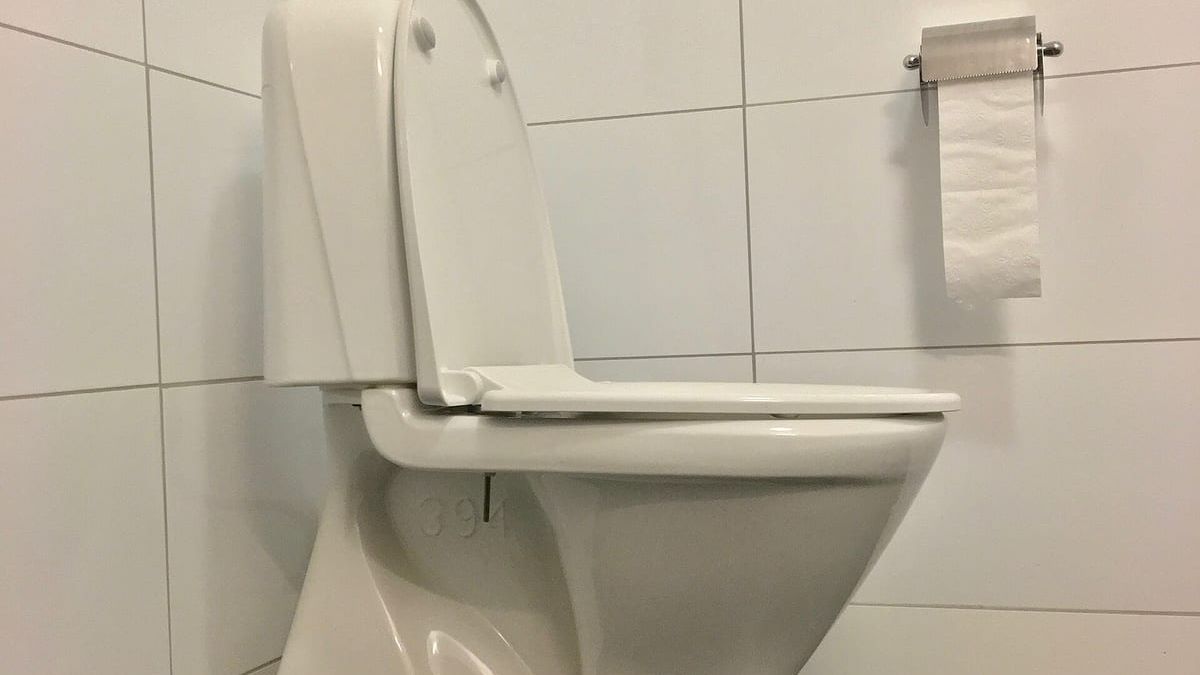
Short answer
A bathroom that smells of urine after cleaning has urine soaked into something porous: the grout, the caulk around the toilet base, the floor behind the toilet, or under the seat hinges. Take the seat off, clean every hidden spot with an enzyme cleaner, scrub the grout, and replace old caulk. Seal the grout once it's dry. If the toilet rocks or the floor at its base is wet or soft, the wax ring has failed and needs replacing.
Quick steps
- Find the spots with a UV blacklight at night: the floor, grout, wall beside the toilet, and toilet base.
- Unscrew the toilet seat and clean the hinges, bolt caps, and the rim underneath.
- Soak the floor, grout, and toilet base with enzyme cleaner, wait, then scrub and rinse.
- Cut out yellowed caulk around the toilet base and recaulk once it's dry.
- Seal the grout. If the toilet rocks or the base is wet, replace the wax ring.
Need supplies? Jump to what to buy
Where urine hides in a bathroom
If you’ve cleaned the toilet and the smell is still there, it’s coming from somewhere a normal wipe-down misses:
- Under the toilet seat: the hinges, bolt caps, and the gap between the seat and the bowl.
- The floor around and behind the toilet, especially the grout lines.
- The caulk around the base of the toilet, which yellows as it absorbs urine.
- The wall and baseboard beside the toilet.
- A bath mat or rug near the toilet.
- The subfloor under the toilet, if the seal underneath is leaking.
Grout and old caulk are porous. Urine soaks in, dries, and gives off an ammonia smell every time the room gets warm and humid.
1. Find the spots
Turn off the lights after dark and shine a UV blacklight around the toilet. Dried urine glows a dull yellow-green. You’ll often see splashes on the floor, the side of the bowl, the wall, and the edge of the cabinet. Mark them so you know where to clean.
2. Take the seat off
Pop open the plastic covers over the seat bolts and unscrew the seat. Clean the hinges, the bolts, the underside of the seat, and the top of the bowl where the seat sat with an enzyme cleaner or hot soapy water. A lot of the smell lives right here. Dry everything and put the seat back.
Wipe the outside of the bowl, down to the floor, and the hard-to-reach area behind it.
3. Clean the floor and grout with an enzyme cleaner
Urine is organic, and an enzyme cleaner breaks it down instead of covering it. Spray the floor around the toilet, the grout lines, the base of the toilet, and the wall beside it until they’re wet. Leave it for the time on the label, often 10 to 15 minutes, so it soaks into the grout.
Scrub the grout lines with a stiff grout brush, then rinse with clean water and dry with a towel. Do it twice for a smell that’s been building for a while.
4. Replace old caulk around the toilet base
If the caulk around the toilet base is yellow, cracked, or smells when you sniff it closely, it’s holding urine. Cut it out with a utility knife or caulk remover, clean underneath with enzyme cleaner, let it dry fully, and run a new bead of bathroom silicone.
Many plumbers leave a small gap uncaulked at the back of the toilet, so that if the seal under the toilet ever leaks, you see water instead of having it trapped under the floor.
5. Seal the grout
Once the grout is clean and completely dry, which takes a day or two, brush on a penetrating grout sealer. It stops urine and water soaking in next time, so a wipe-down actually cleans it.
6. Check the wax ring
Under every toilet is a seal, usually a wax ring, between the toilet and the drain. When it fails, a little water leaks onto the floor with every flush and soaks into the subfloor, where it smells of urine or sewage.
Signs the seal has failed:
- The toilet rocks when you push it with your knee.
- Water appears around the base after flushing.
- The flooring around the toilet is soft, stained, or lifting.
- The smell is strongest right at the base, even after cleaning.
- A sewer smell. Leaking seals also let sewer gas into the room.
Replacing the seal means turning off the water, draining the toilet, unbolting it, and lifting it off. A wax-free toilet seal is easier to fit than a wax ring and can be repositioned. While the toilet is off, look at the floor around the drain. Dark, soft, or crumbling wood means the subfloor has rotted; the EPA says damp building materials should be dried within 24 to 48 hours to prevent mold, and a rotten subfloor needs repair. Call a plumber if the flange is broken or the floor is soft.
For a smell that’s more sewage than urine, see how to get rid of sewer smell in your house.
7. Keep it from coming back
- Wipe the rim, seat, and the floor in front of the toilet every day or two.
- Use a hard, washable mat by the toilet, or none. Fabric mats soak up splashes.
- Run the bathroom fan during and after showers so the room dries out. Here’s how to get rid of humidity in a bathroom.
- If a pet is going on the bathroom floor, see how to get a smell out of carpet for treating rugs and mats.
What to buy
We may earn a commission if you buy through these links, at no extra cost to you. How this works

Enzyme pet odor cleaner
Rocco & Roxie Enzyme Stain & Odor Eliminator, 32 oz
Urine, vomit, and other organic stains in carpet, upholstery, and car seats. The enzymes break down what causes the smell instead of covering it.
Good to know: Test on a hidden spot first and keep pets away until it has dried. It needs time to work, so don't rinse it off early.
Check price on Amazon
UV blacklight flashlight
Vansky 51 LED UV Blacklight Flashlight
Finding old, dried urine spots you can smell but can't see. Dried urine usually glows under UV light in a dark room.
Good to know: Other things glow too, such as some detergents and spills. Confirm with your nose before treating.
Check price on Amazon
Wax-free toilet seal
Fluidmaster 7530 Universal Better Than Wax Toilet Seal
Replacing a failed wax ring under a toilet that rocks, leaks at the base, or smells of urine or sewage around the floor.
Good to know: You have to pull the toilet to fit it. Check the floor under it for soft or dark wood while it's off, and call a plumber if the flange is broken.
Check price on AmazonCommon questions
Why does my bathroom smell like urine even after cleaning?
Urine has soaked into something porous that a surface wipe doesn't reach: grout, the caulk around the toilet base, the seat hinges, or the subfloor under a leaking wax ring. Those spots need an enzyme cleaner left to soak in, or replacing.
Why does my bathroom smell like pee when it's humid?
Dried urine in grout and on the floor absorbs moisture from the air, and the bacteria on it start working again. The smell comes back after a shower or on a humid day. Deep-clean the grout and seal it.
Can a leaking toilet smell like urine?
Yes. When the wax ring under the toilet fails, a little water and urine leak onto the floor with each flush and soak into the subfloor. Signs are a toilet that rocks, water at the base, and soft or stained flooring around it.
Does vinegar get rid of urine smell in a bathroom?
Vinegar helps with light, fresh smells on hard surfaces. For urine that's soaked into grout or caulk, an enzyme cleaner works better. Don't use them together.
Can I use bleach on urine?
Bleach isn't the best choice. Urine contains ammonia compounds, and bleach can react with them to make irritating fumes in a small room. An enzyme cleaner breaks down urine instead. If you use bleach for disinfecting, rinse the urine away first and ventilate.
How do I stop the bathroom smelling like pee with boys in the house?
Wipe the floor in front of the toilet and the rim every day or two, skip a fabric bath mat by the toilet, and use a hard washable mat or none. A target sticker in the bowl helps with aim.